Early Nutrition Intervention for Pediatric Health Equity
Challenge
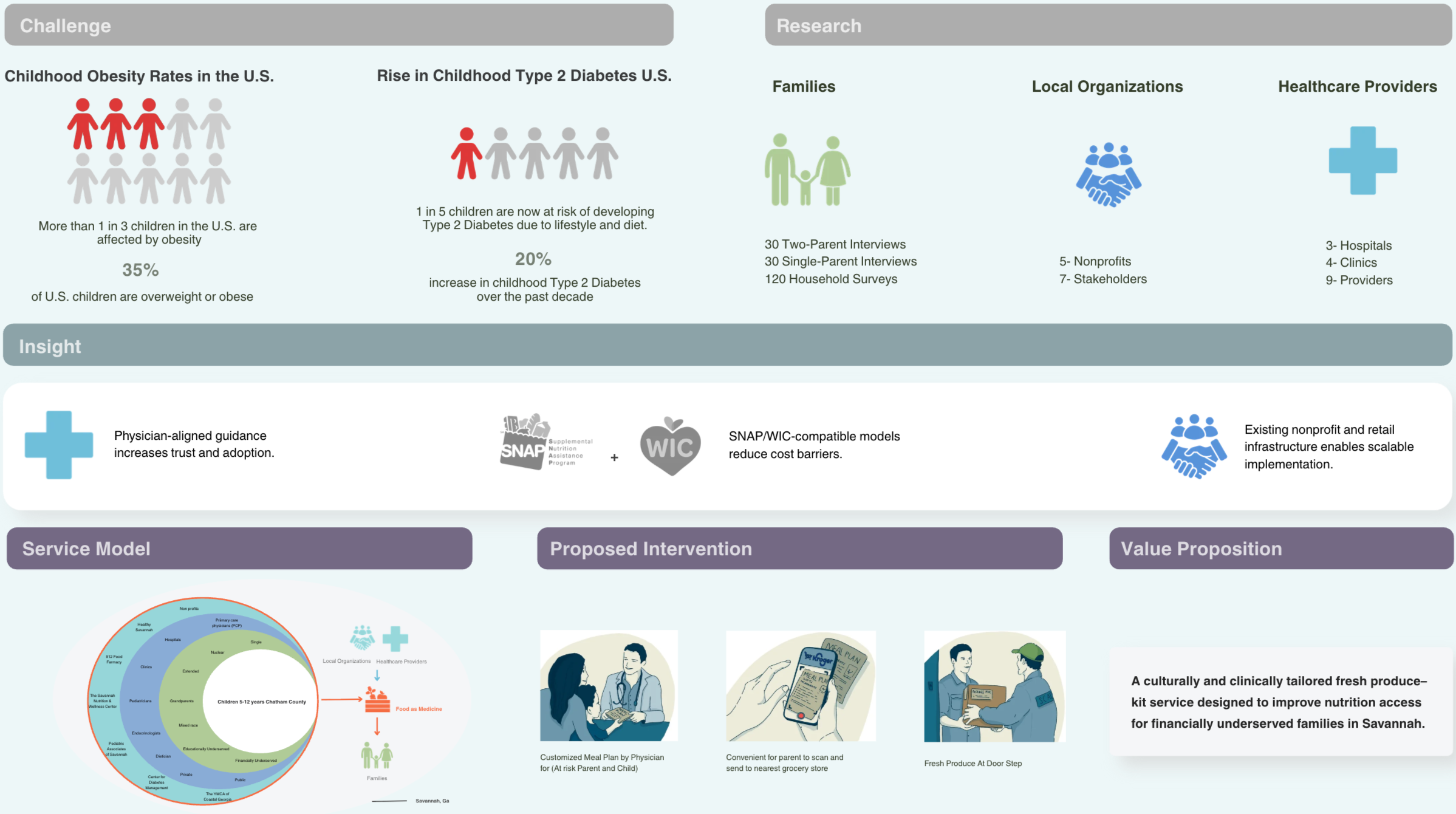
Childhood Type 2 Diabetes is rising rapidly among underserved families due to limited access to fresh, affordable nutrition, increasing long-term health risks for children ages 5–12.
My Role
Led end-to-end research, synthesis, design strategy, and concept development in collaboration with healthcare, nonprofit, and community stakeholders.

Overview
Predicted Outcomes
Modeled projections based on early-intervention and Food-as-Medicine literature.

$40–$80 savings/ month

120+ Household Surveys 60+ Interview Participants
(single + two-parent)

10–20% reduction
in preventable nutrition-related risk factors

8 nonprofits (5 responses, 3 collaborators)
Retail partners (CVS, Kroger)

15–30% improvement
in Operational efficiency

SNAP/WIC-compatible
Nonprofit + retail integration (CVS, Kroger, 912 FF)
Proposed Solution
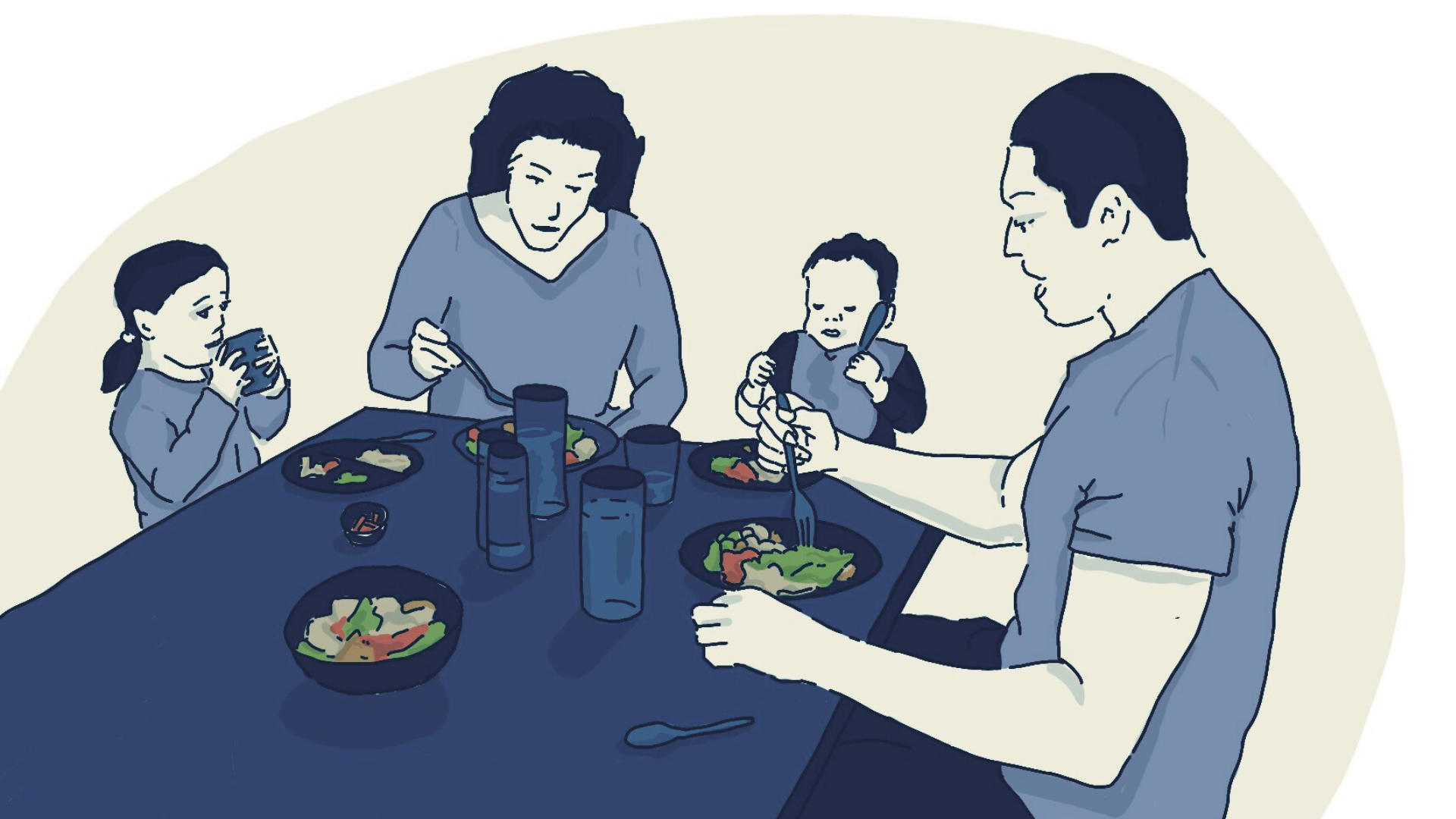
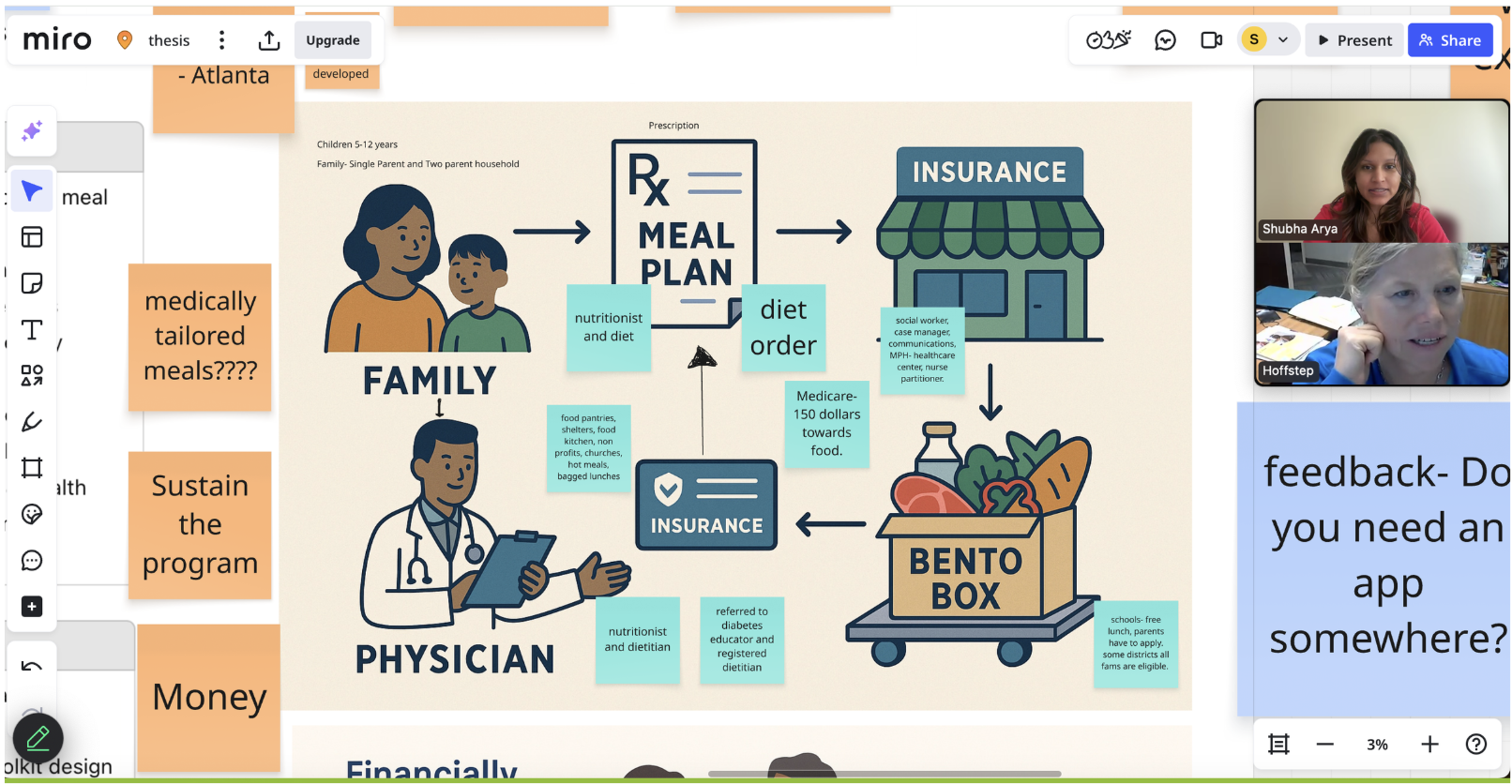
1. Family Context, children (5-12) years
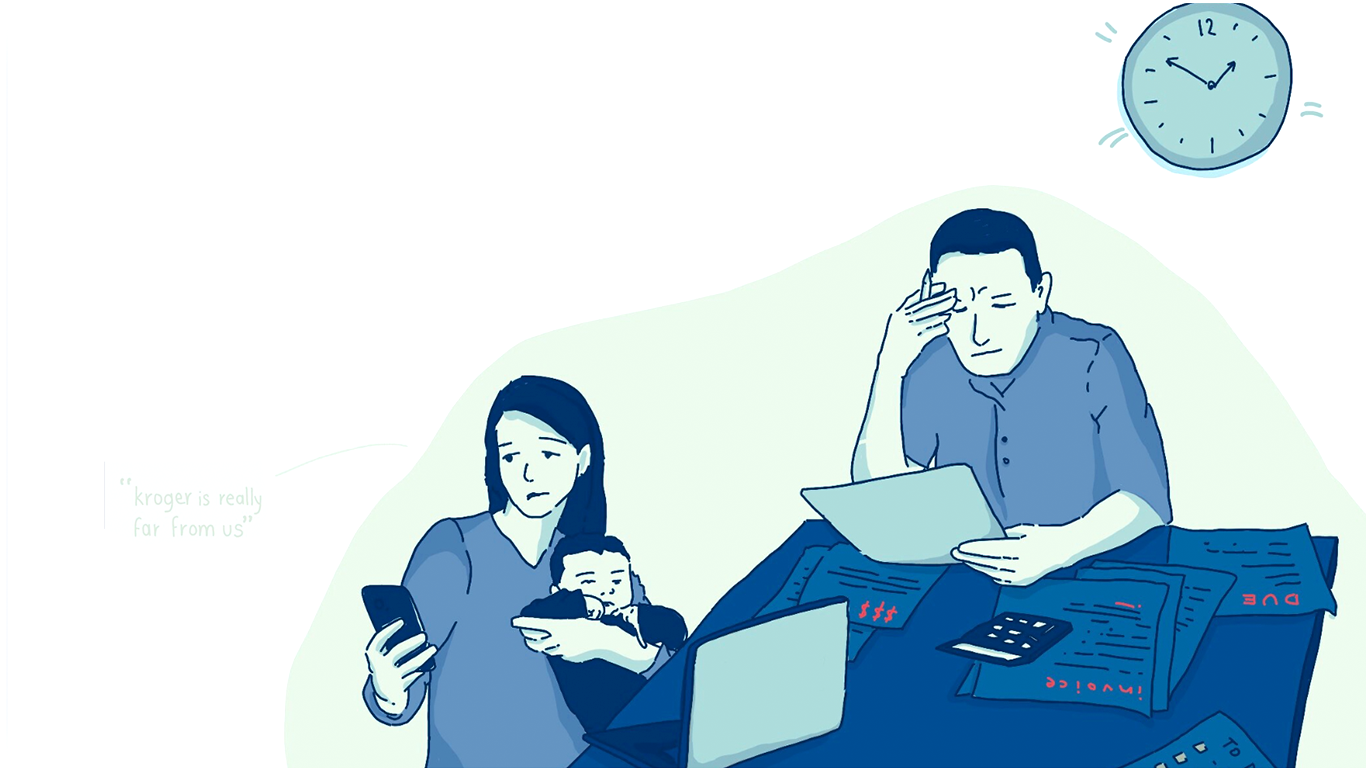
2. Financial Barriers

3. Tailored Provider Guidance
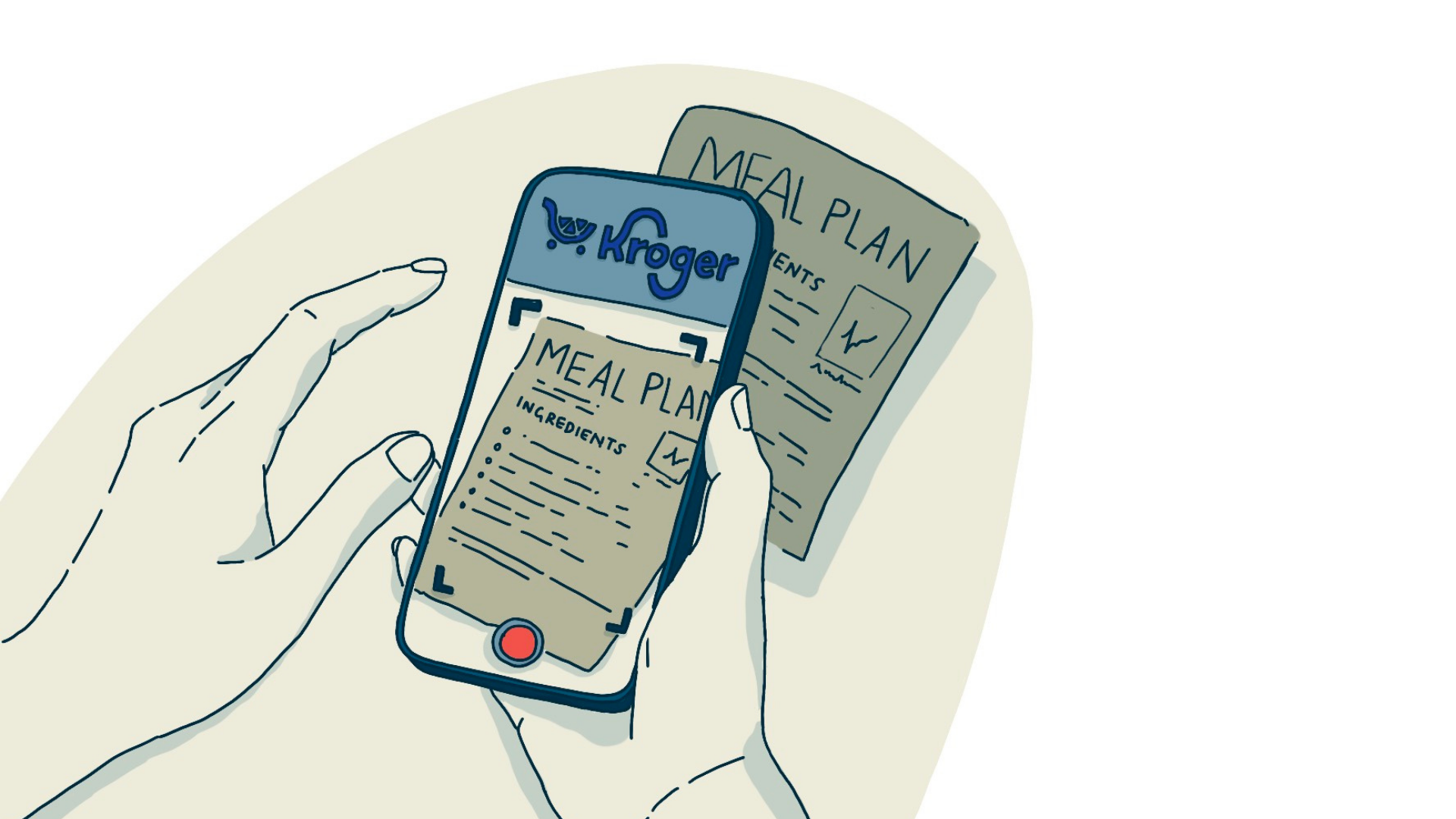
4. Insurance-Covered, tailored Meal Plans

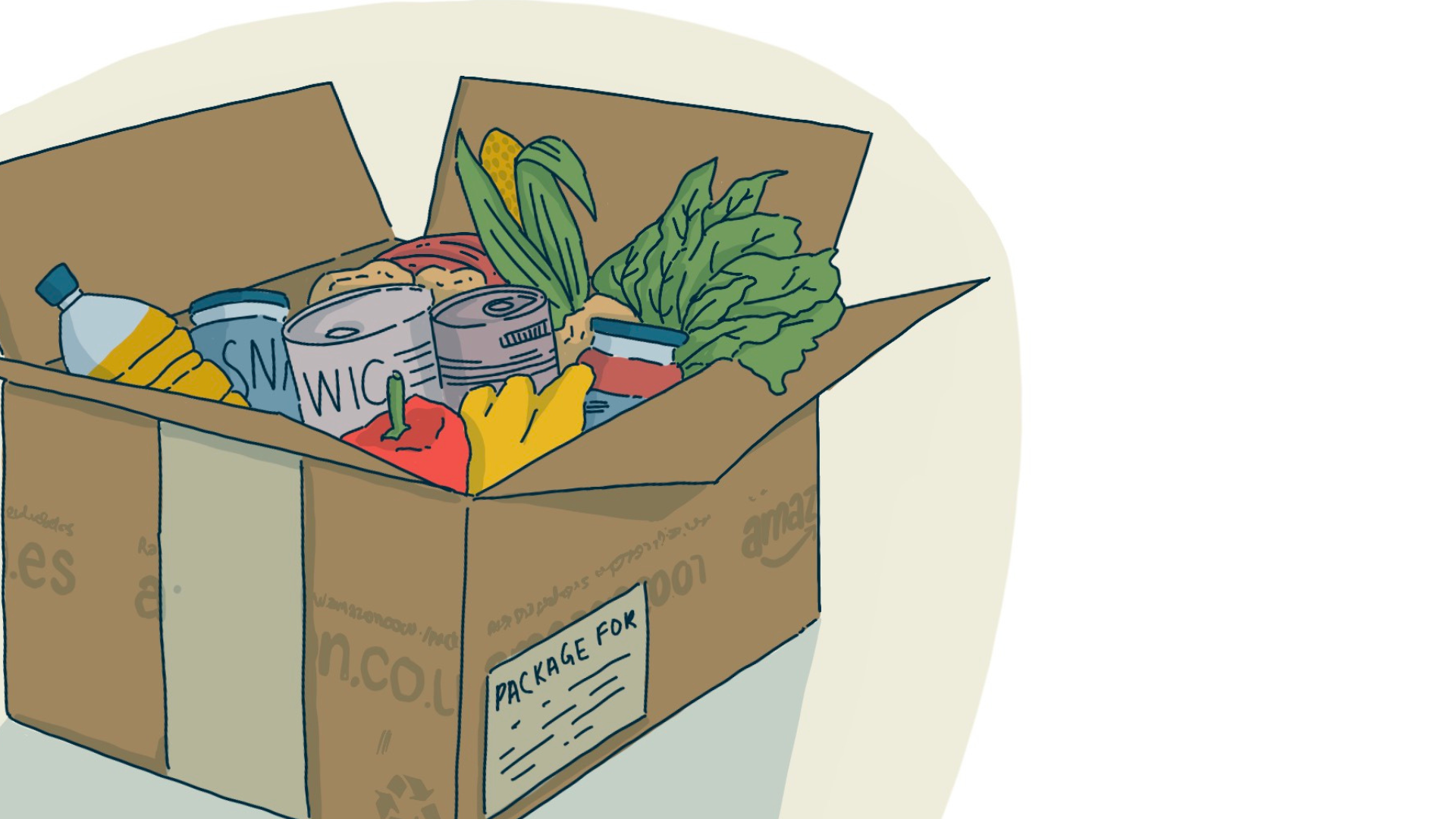
5. Produce Delivery
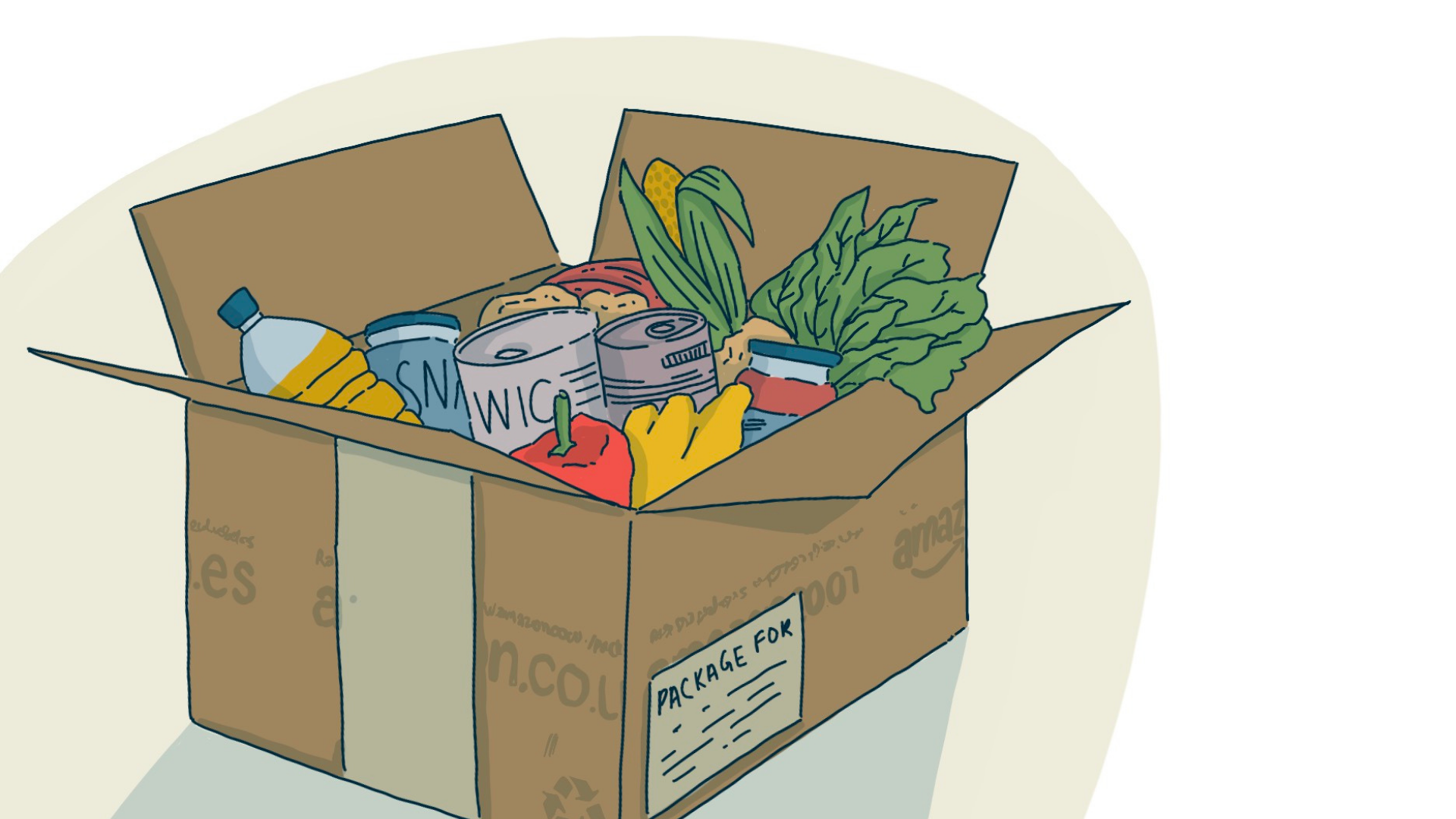
6. Fresh Produce Kits/ Insurance-Covered
Illustrations by Jayanti Dave, developed collaboratively from hand-drawn concept sketches.
Value Proposition
A culturally and clinically tailored fresh produce–kit service designed to improve nutrition access for financially underserved families in Savannah.
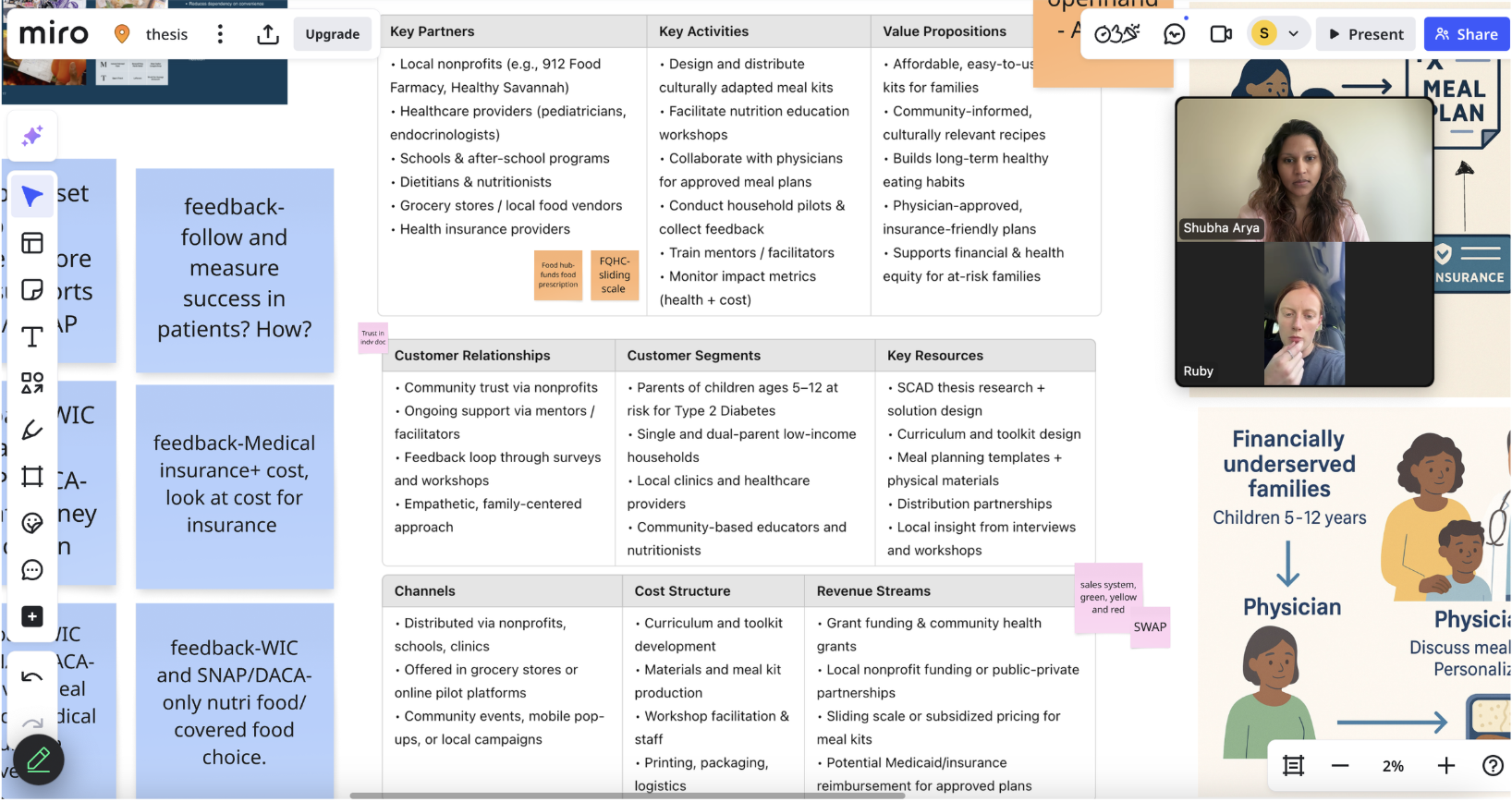
A culturally and clinically tailored fresh produce–kit service that improves nutrition access for underserved families by combining SNAP/WIC compatibility, physician-approved guidance, and local nonprofit and retail partnerships.
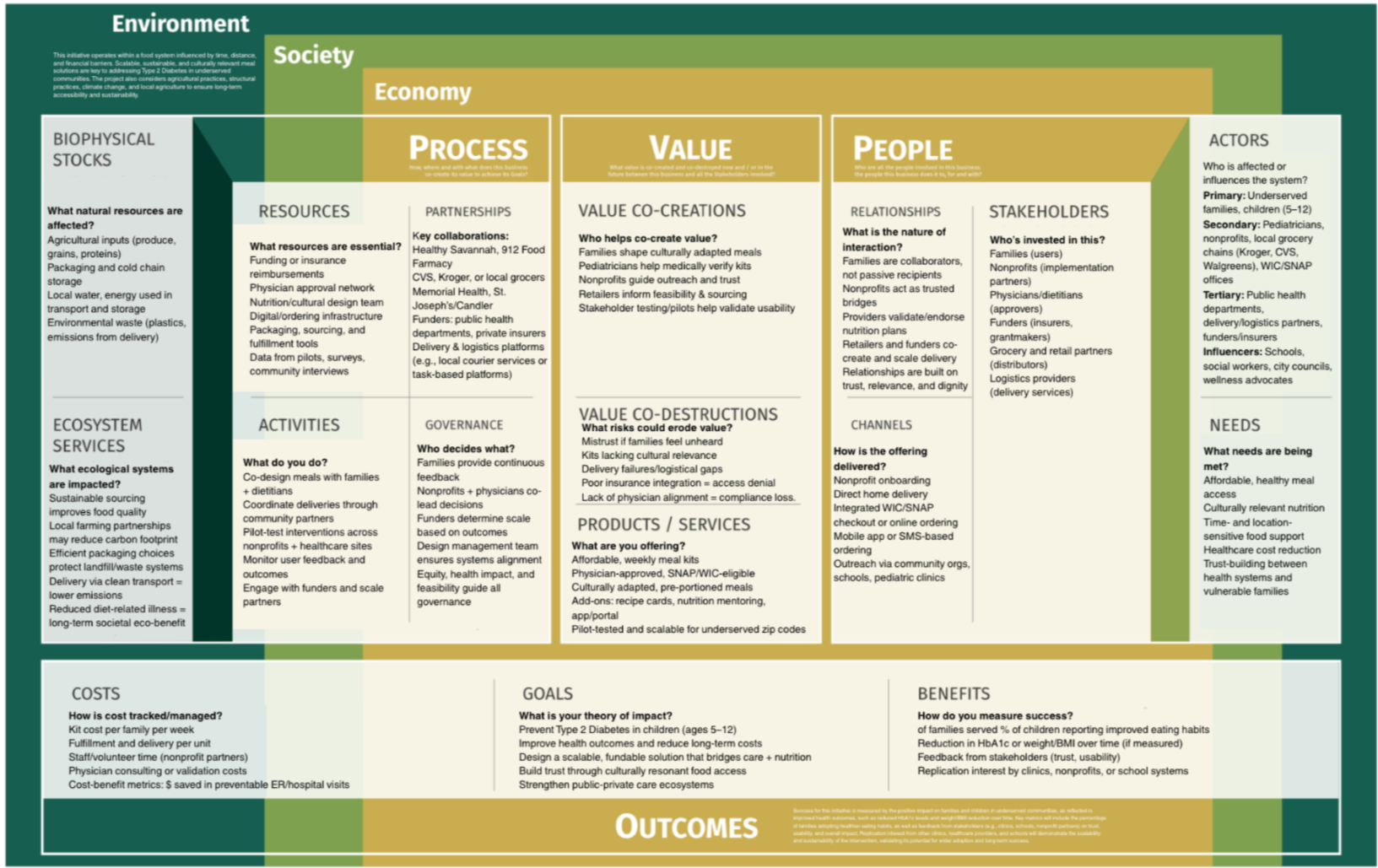
Flourishing Business Canvas(FBC)- Food as Medicine Family Initiative
Key Takeaways

Community Collaboration Supports Tailored Nutrition

All Stakeholders Play an Equal Role

Collaboration is Key
Cost of Type 2 Diabetes in the U.S.
$400B/ year
• 1 in 4 U.S. healthcare dollars goes toward diabetes care• $400B+ spent annually across treatment and management• One of the largest drivers of healthcare spendingType 2 Diabetes in the U.S. and Financial Costs

35%
of U.S. children are overweight or obeseRise in Childhood Type 2 Diabetes U.S.

20%
increase in childhood Type 2 Diabetes over the past decade
Diabetes Costs in the U.S. – Impact on Families

5–40%
of household income out of pocket
Problem
Despite the urgency, families in underserved communities face structural barriers that make healthy nutrition inaccessible.
Common Challenges Households - Single parent and Two parent
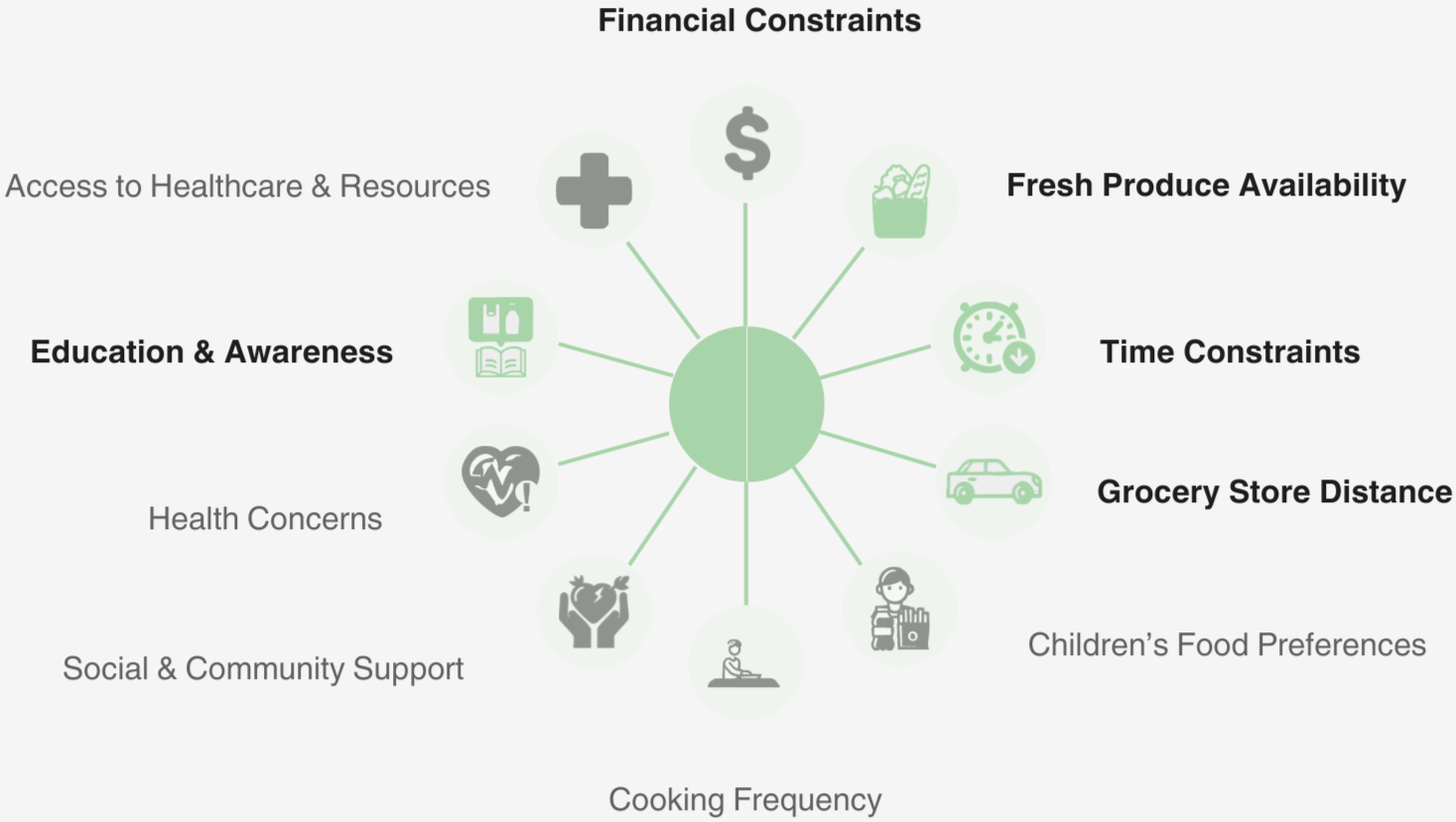
Key Barriers - Families

Fresh Produce is Costly

Limited Time

Distance from Fresh Produce
Opportunity
Early nutrition intervention presents a critical opportunity to prevent long-term health risks for children ages 5–12 by improving access, affordability, and guidance for underserved families.
Cost-Nutrition-Health Connection in At-Risk Children
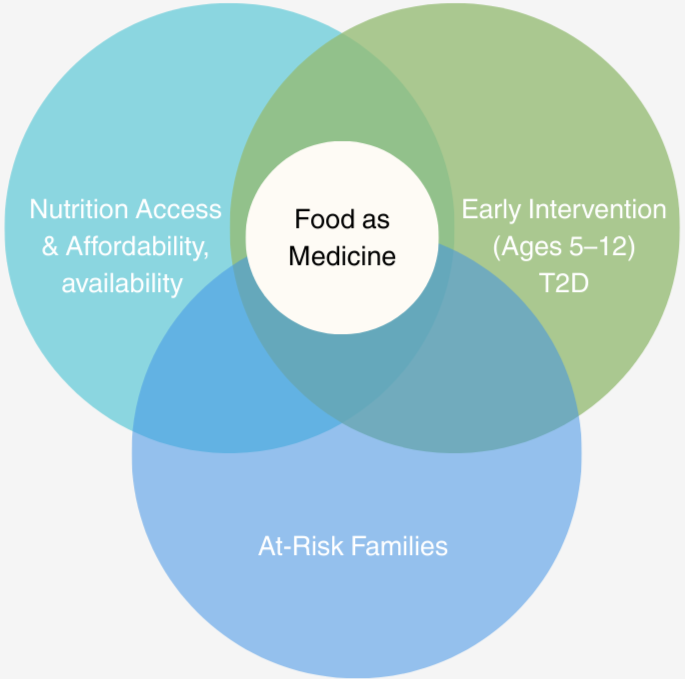
This overlap reveals a clear opportunity to leverage food-as-medicine as an early intervention pathway—bringing affordable, culturally relevant nutrition to at-risk children during the most critical years of preventing Type 2 Diabetes.
Research and Insight
Research across families, nonprofits, and healthcare providers revealed systemic gaps in access, affordability, and nutrition support contributing to pediatric Type 2 Diabetes.
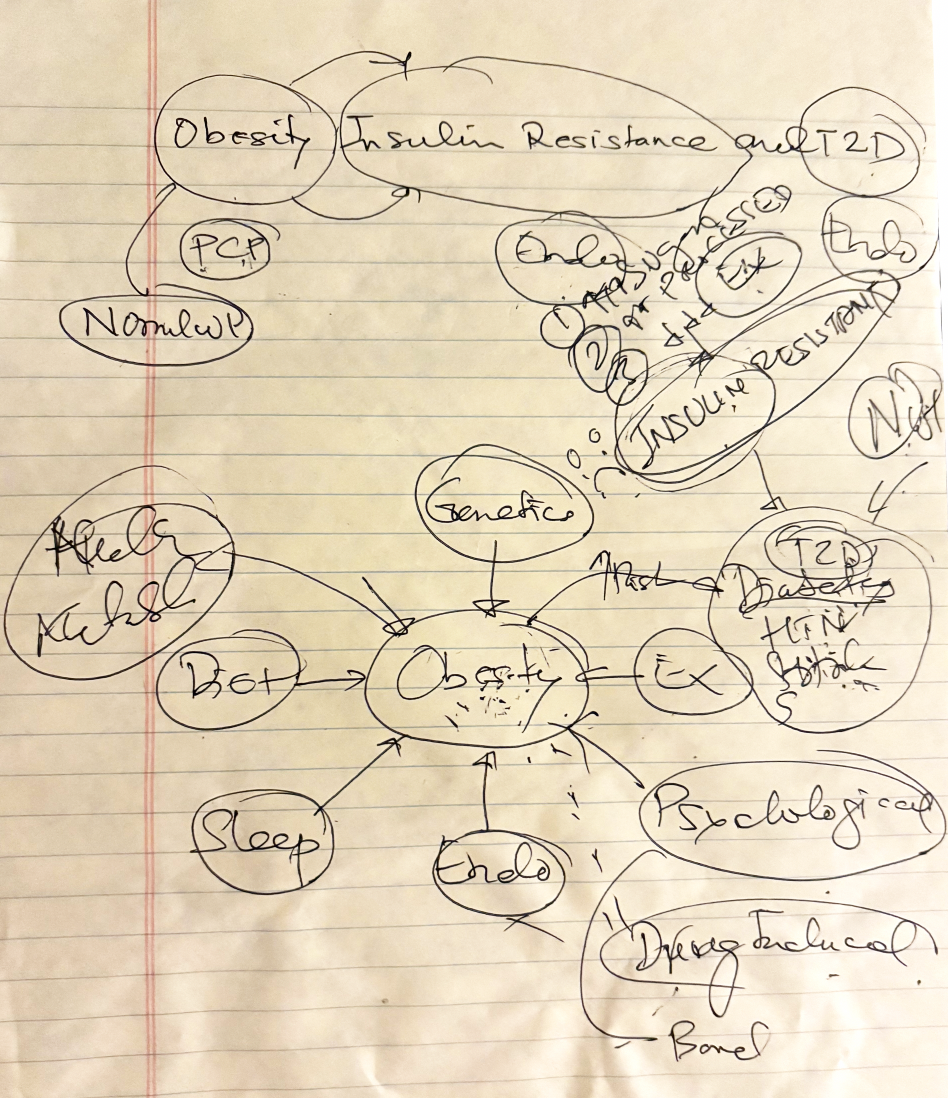
Physician Consultation Sketch + Insights
Insights
Reframed the project from childhood obesity to long-term Type 2 Diabetes prevention.
Identified interconnected factors including insulin resistance, genetics, sleep, psychology, and nutrition access.
Reinforced the importance of early intervention, systems thinking, and family-centered care.
Key Participants Quotes
“Managing pediatric Type 2 Diabetes requires early lifestyle intervention, family engagement, and long-term behavioral support beyond medication alone.”
Dr. Anil Piya — Pediatric Endocrinology
“Nutrition counseling is often not covered by insurance, making programs like SNAP, WIC, and affordable food access solutions essential for long-term sustainability in managing chronic health conditions.”
Pamela Hoffstetter — RDN, CDE, Certified Diabetes Educator/Dietitian
“Long-term health interventions become more sustainable when nonprofits, healthcare systems, and community partners align resources to reduce financial barriers for families.”
Paula Kreissler — MBA, CPA, REACH Project Director
Key Players
Families
30- Two Parent (Interviews)
30 - Single Parent (Interviews)
120- Surveys

Local Organization
5- Nonprofits
7- Stakeholders

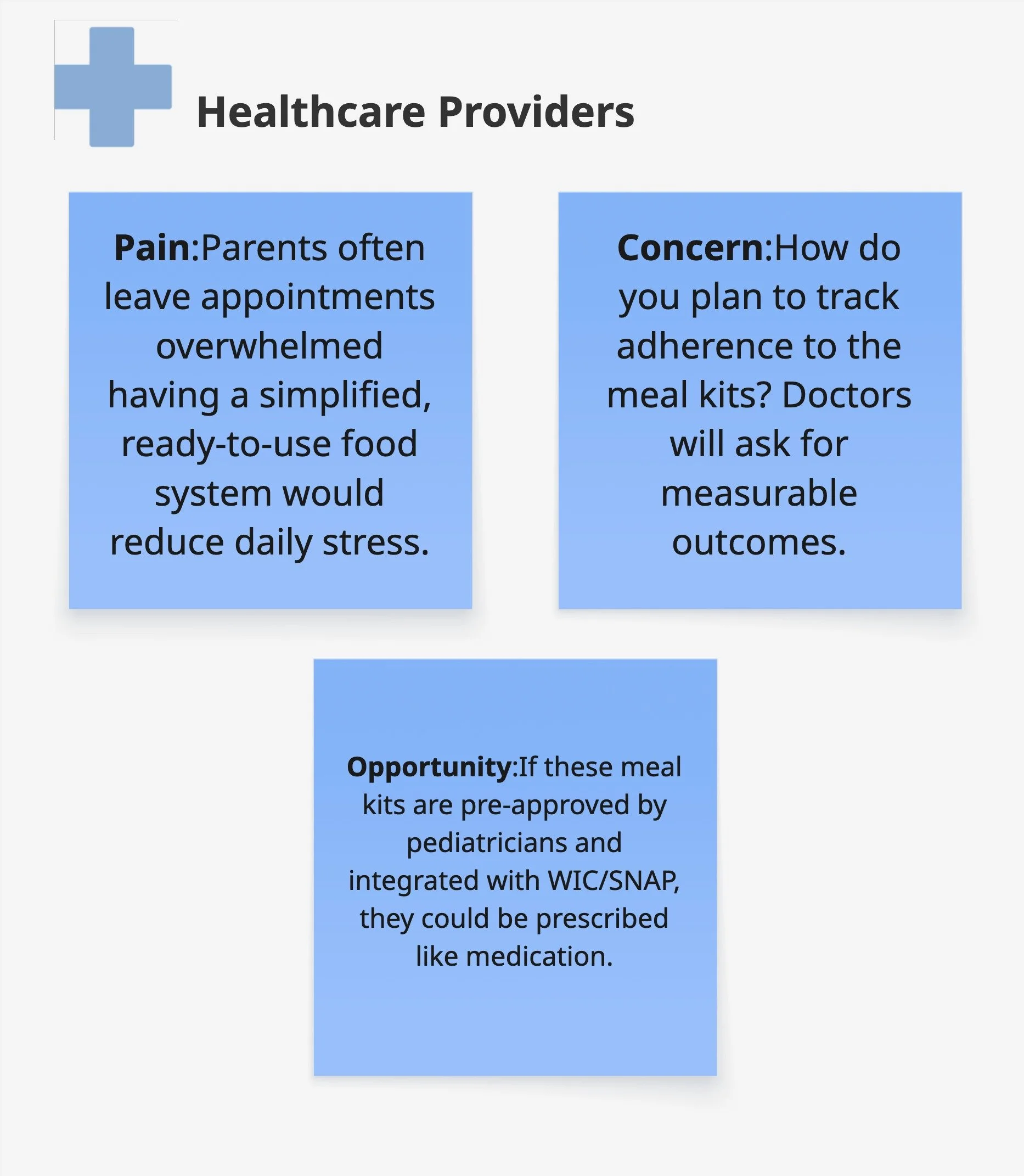
Healthcare Providers
3- Hospital
4- Clinics
9- Providers
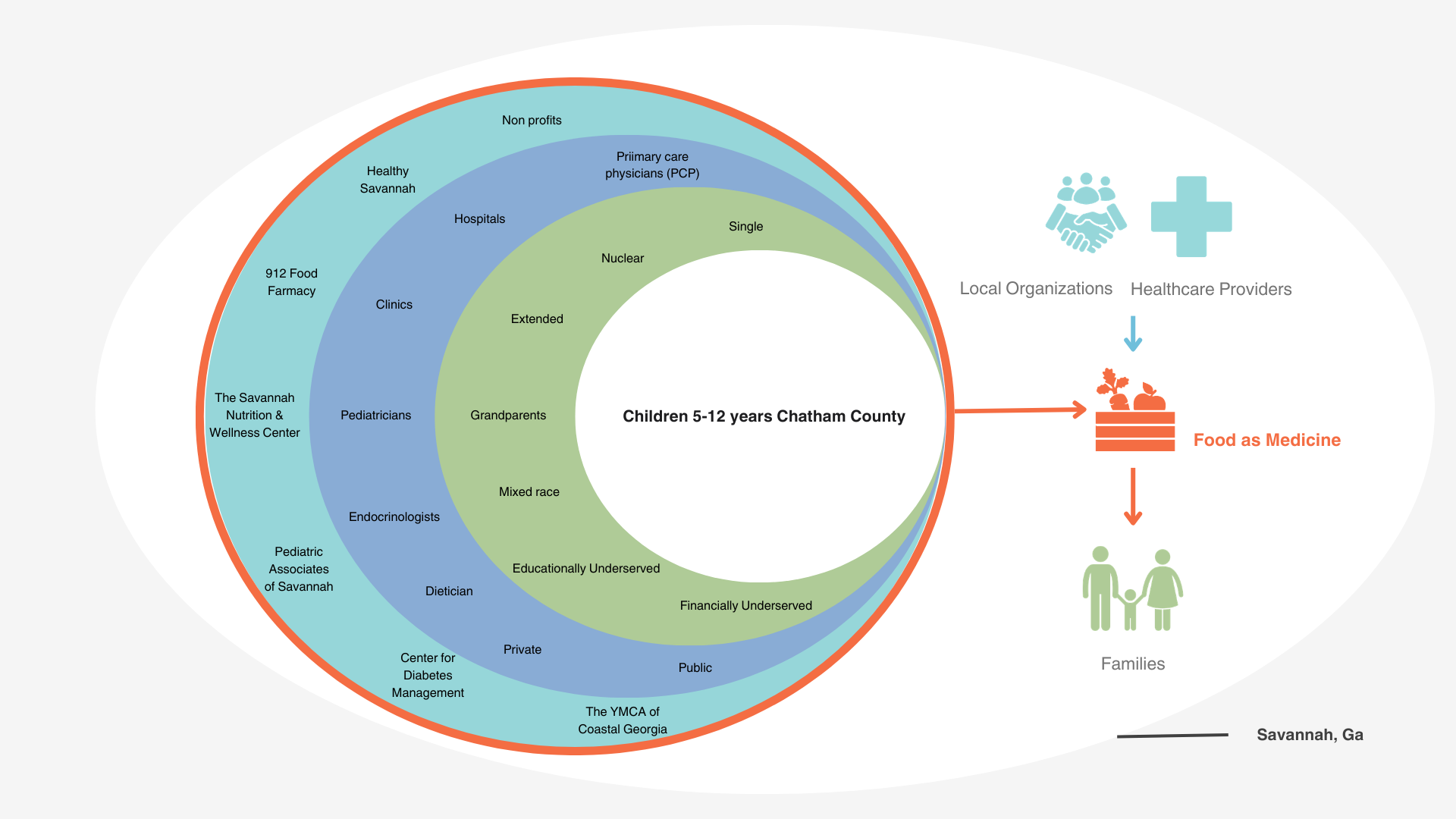
Ecosystem Map
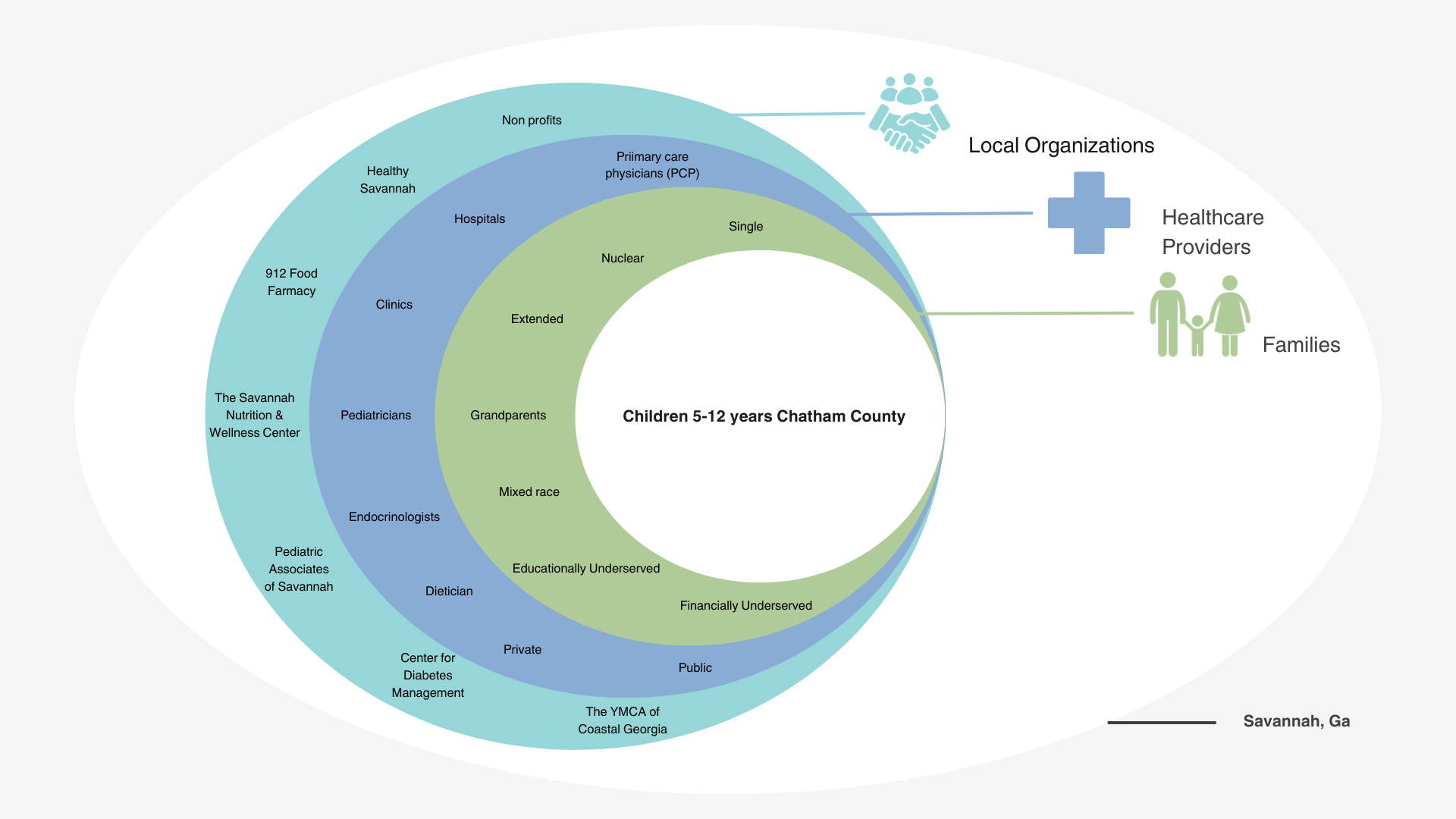
Current landscape - Savannah, Ga at the time of study
Post Intervention landscape - Savannah, Ga at the time of study
AI-Augmented Research & Synthesis
Sample Example
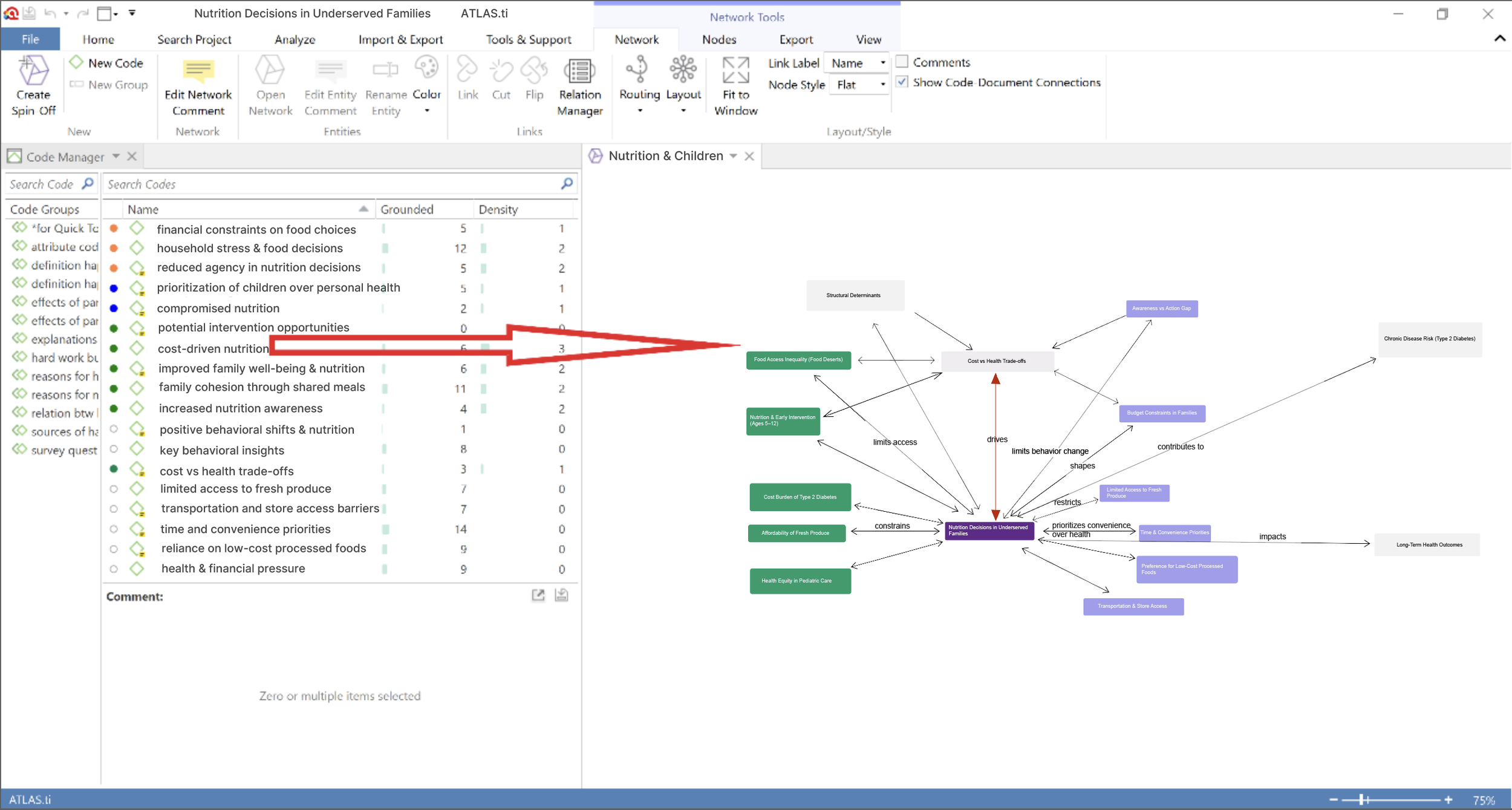
AI-supported quantitative and qualitative analysis using ATLAS.ti
Synthesized insights from 80+ peer-reviewed and mixed-method sources on childhood nutrition, food access, and Type 2 diabetes
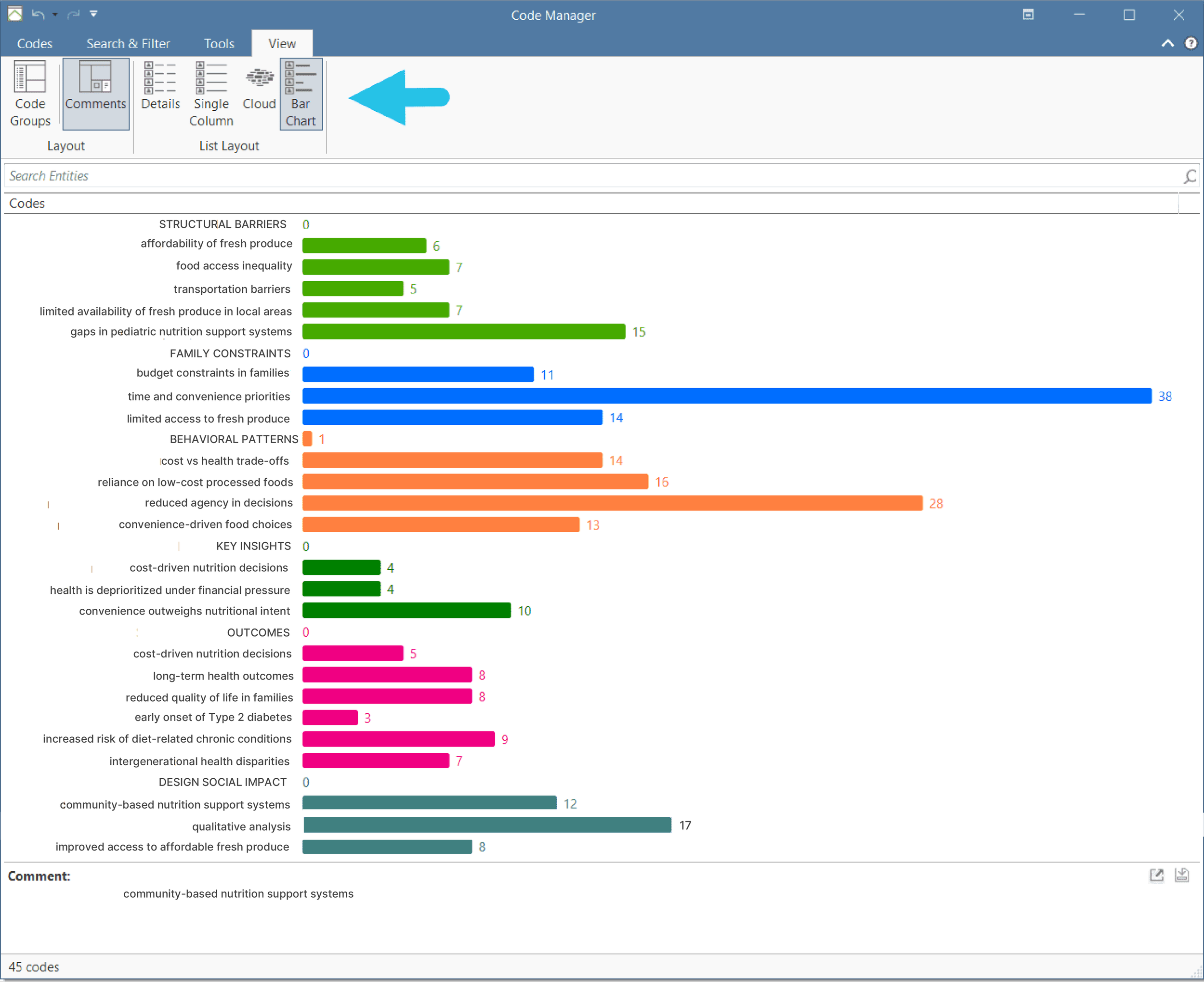
Analyzed 120+ survey responses and conducted in-depth interviews with 60+ families to understand real-world constraints, behaviors, and decision-making patterns
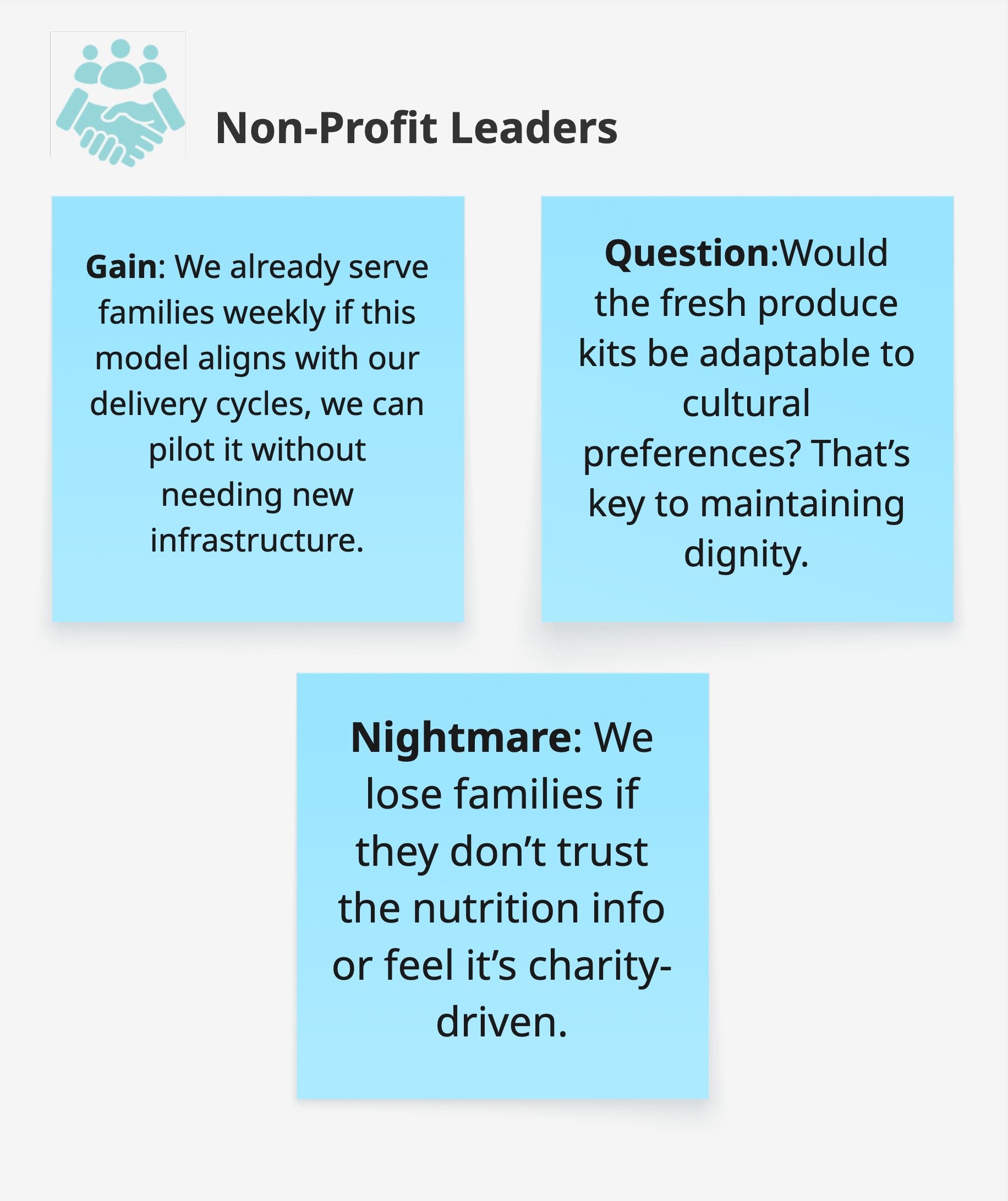
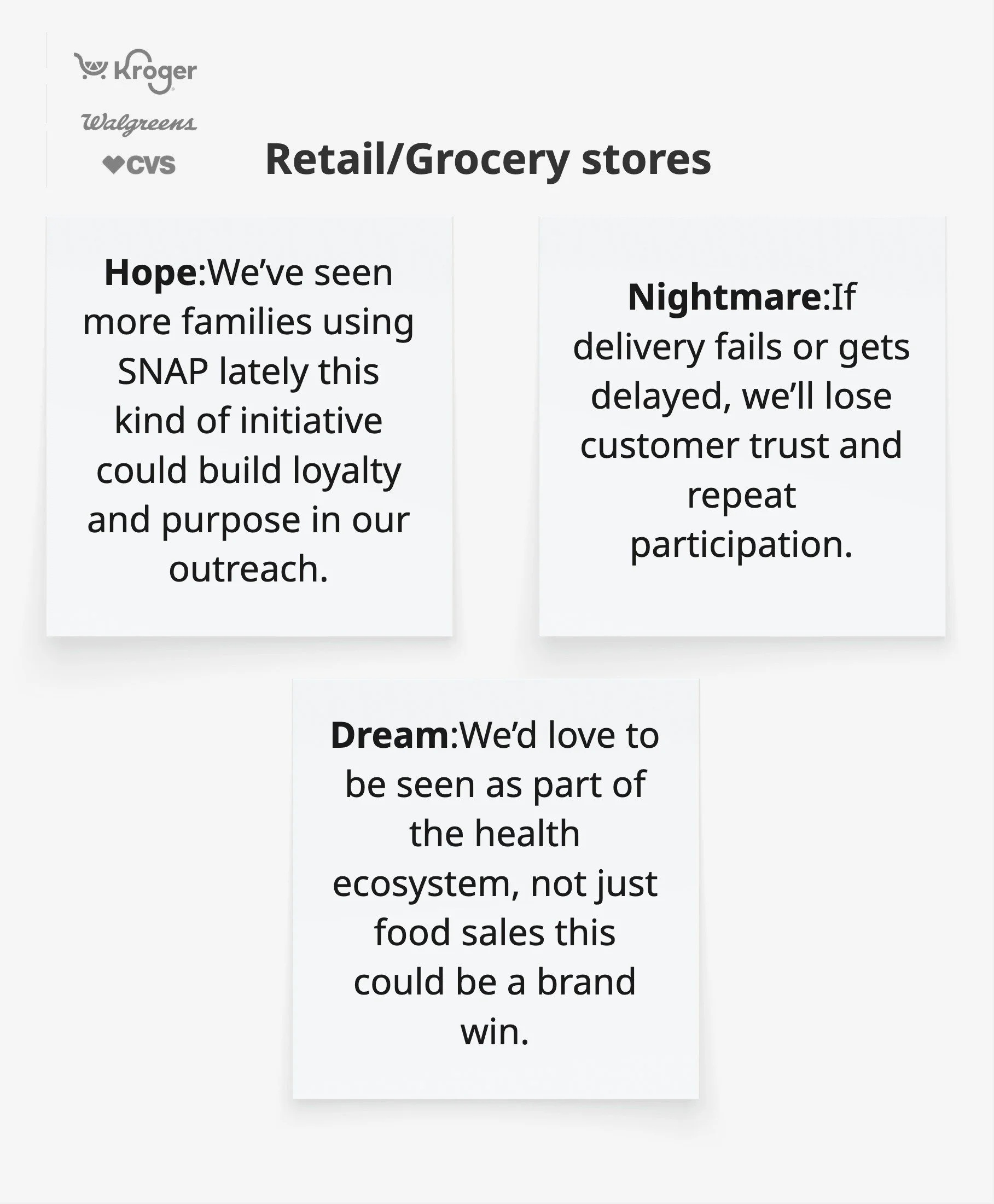
Validated concepts with 8 cross-sector stakeholders (public & private healthcare, nonprofit leadership, and food retail partners) through collaborative Miro workshops
Sample Example
Concept Development 1 & 2
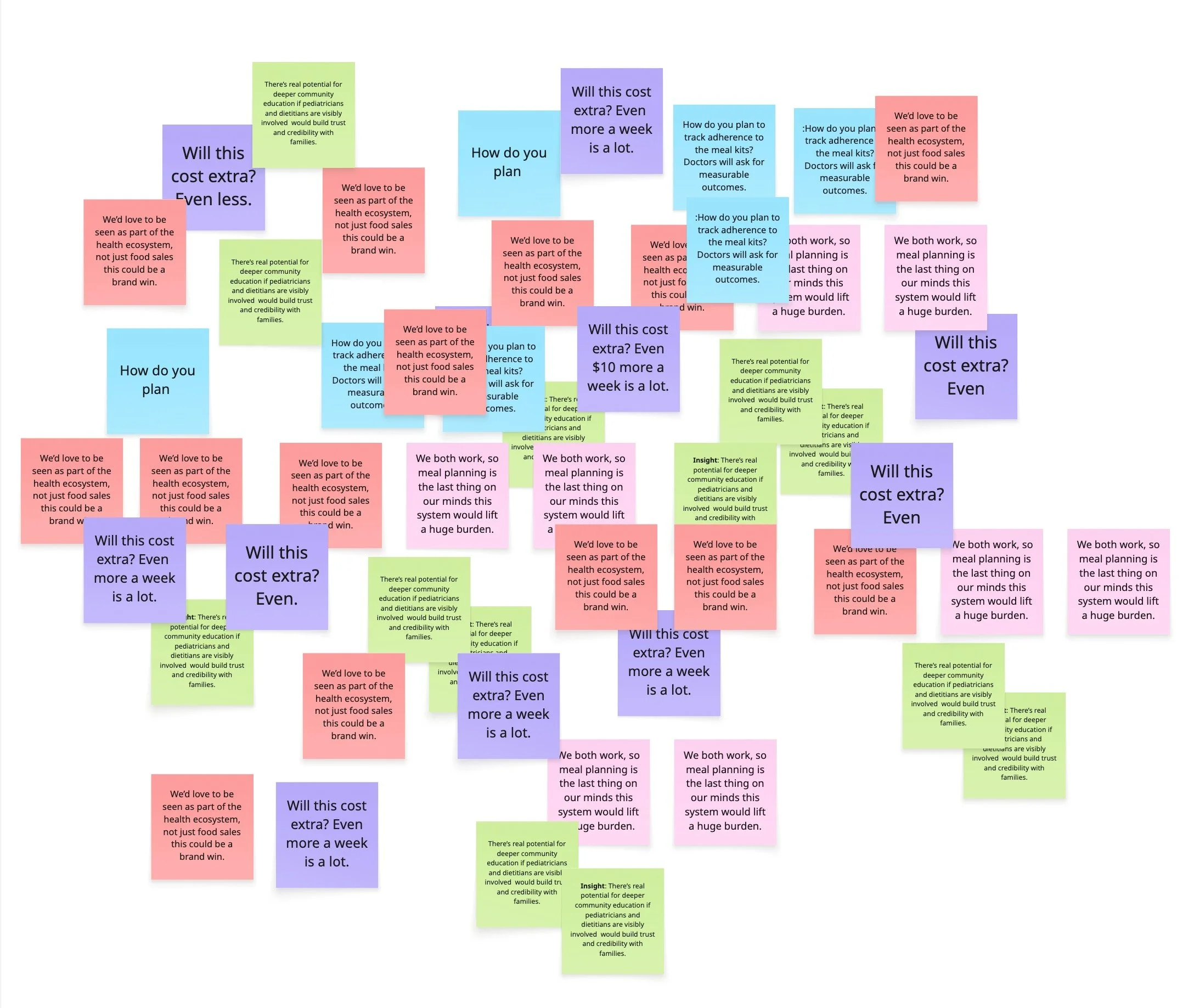
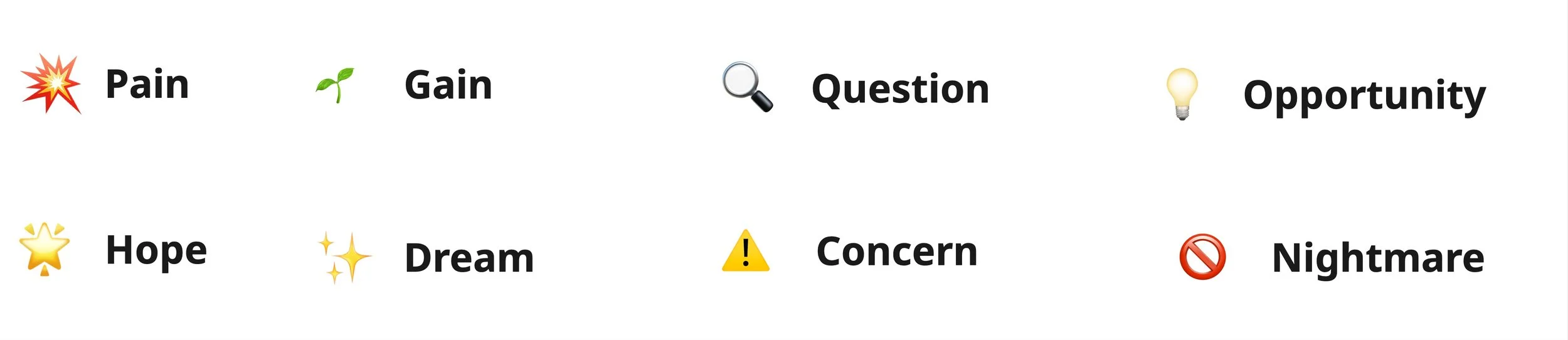



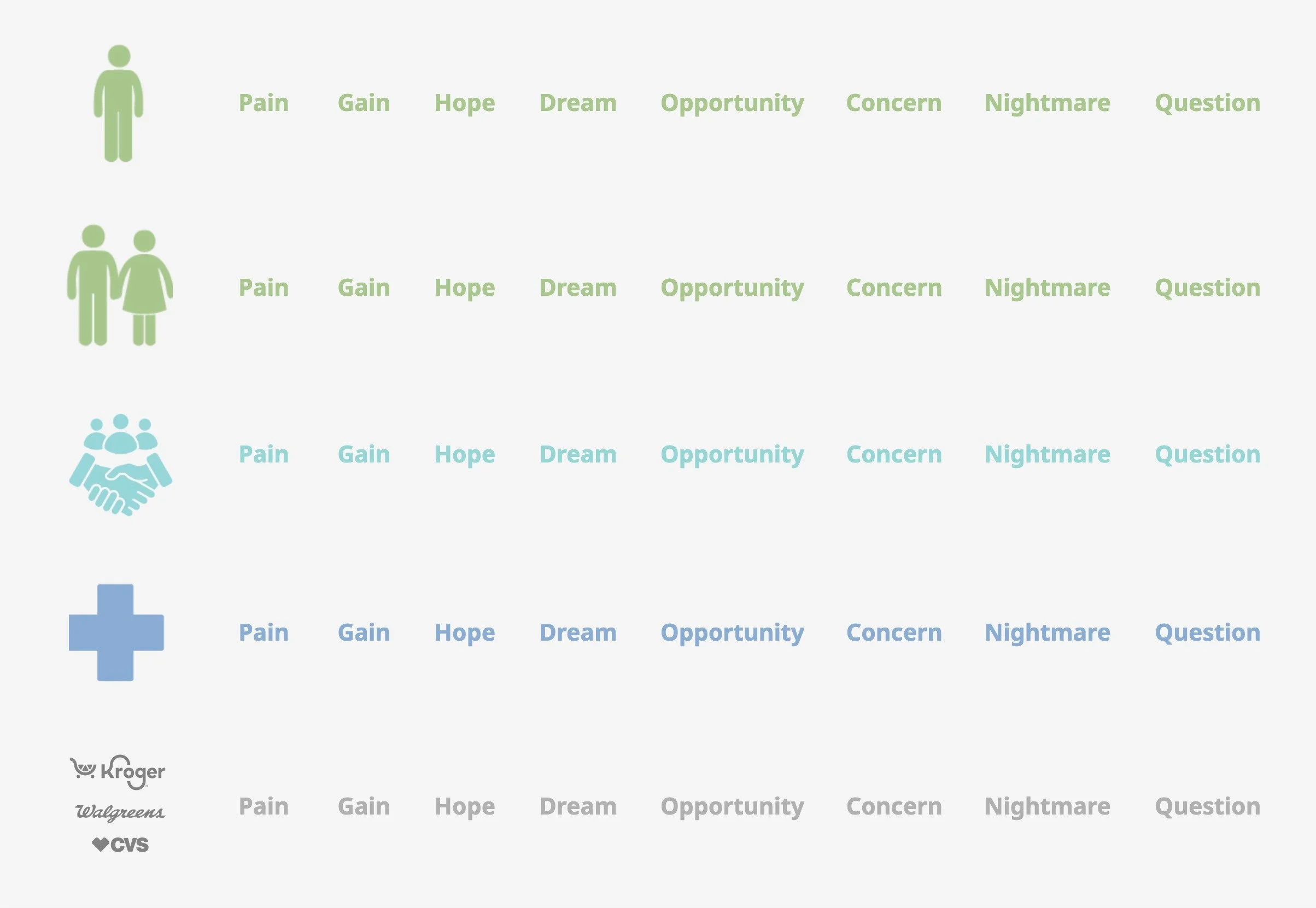
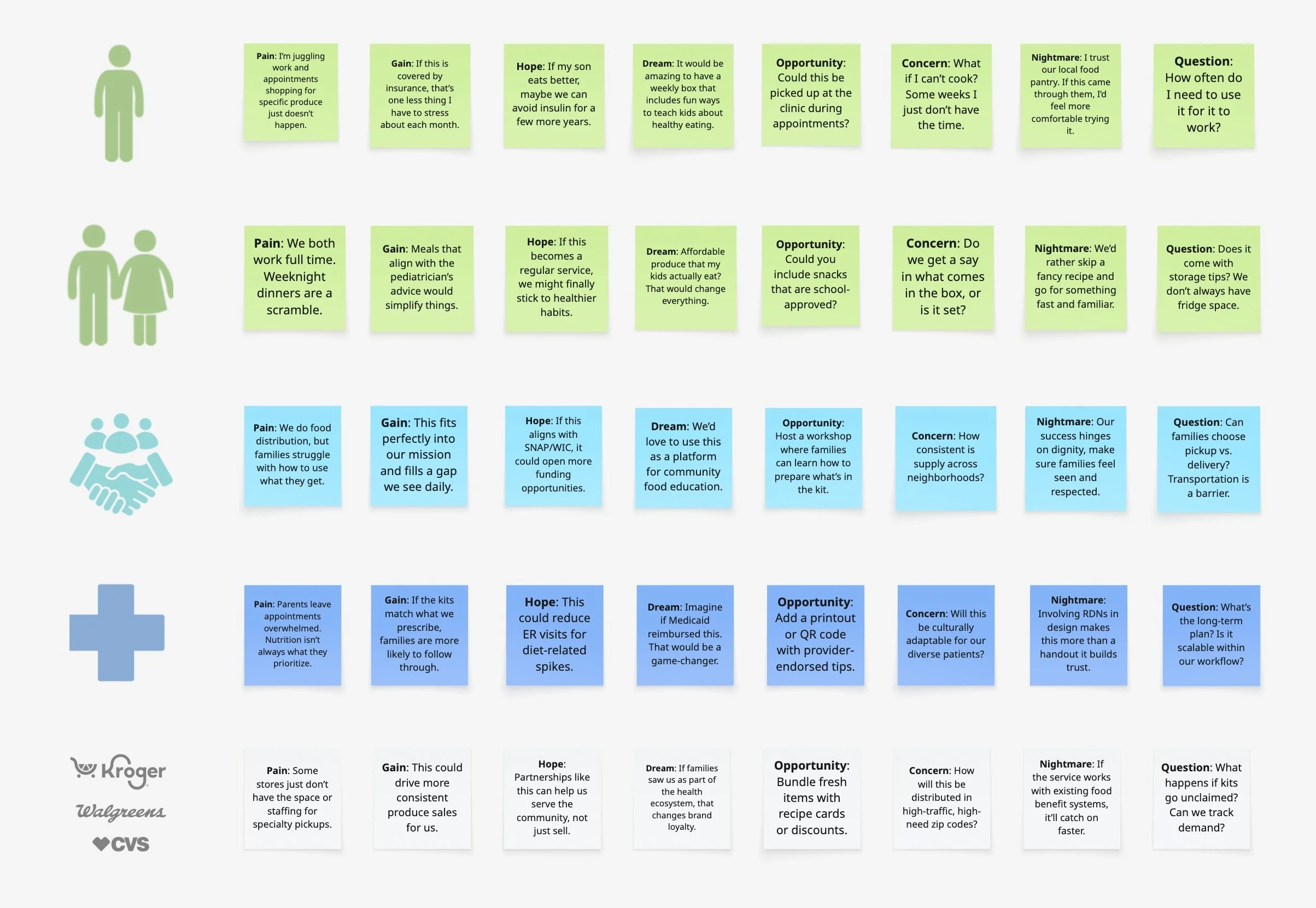
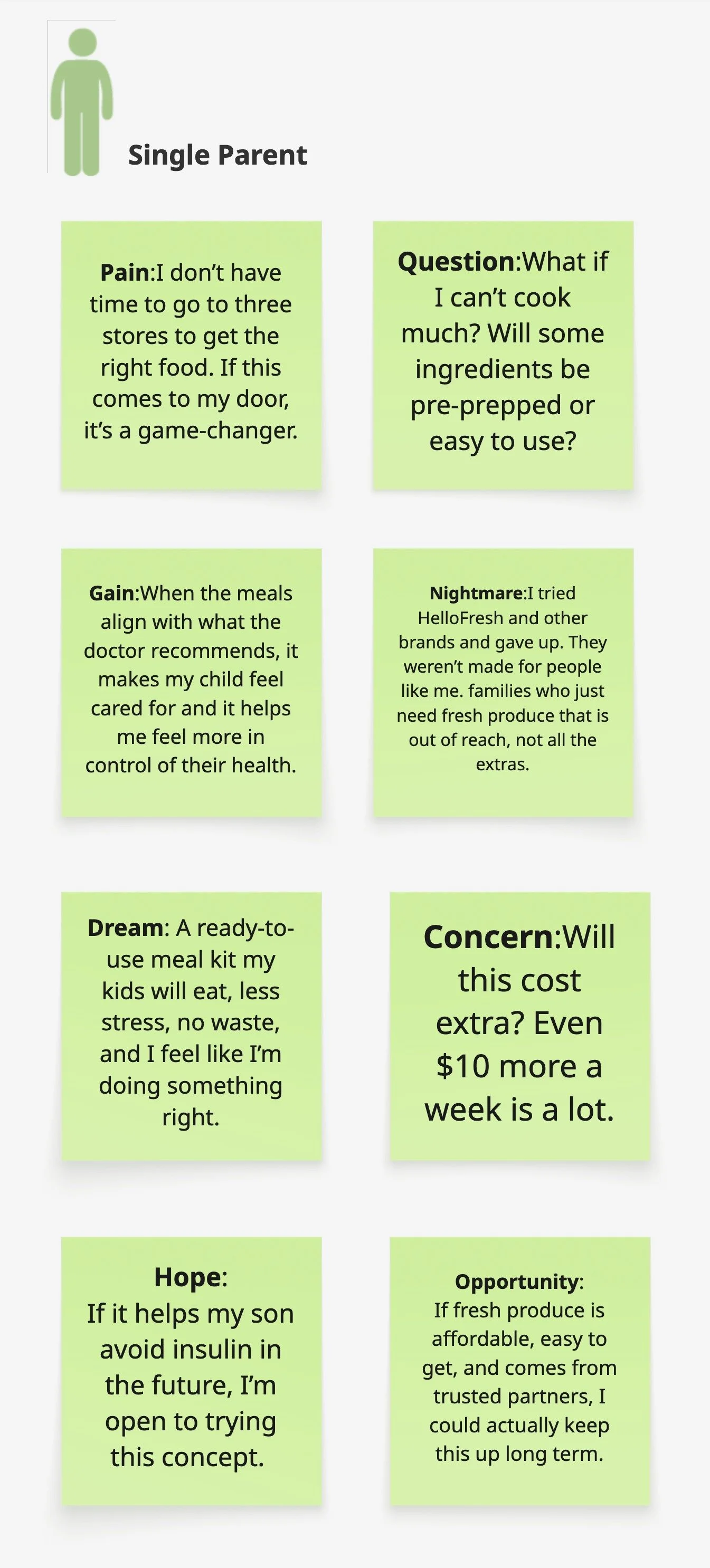
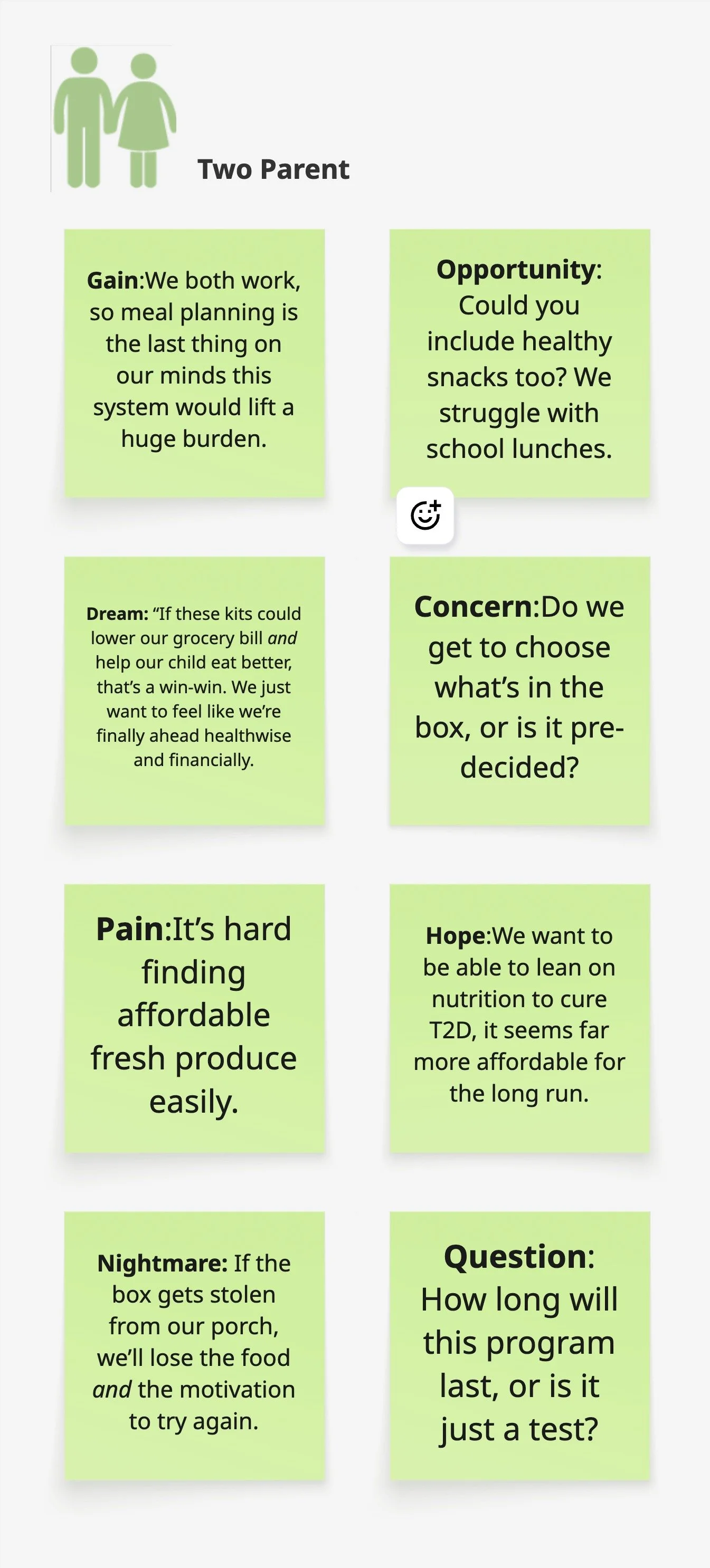
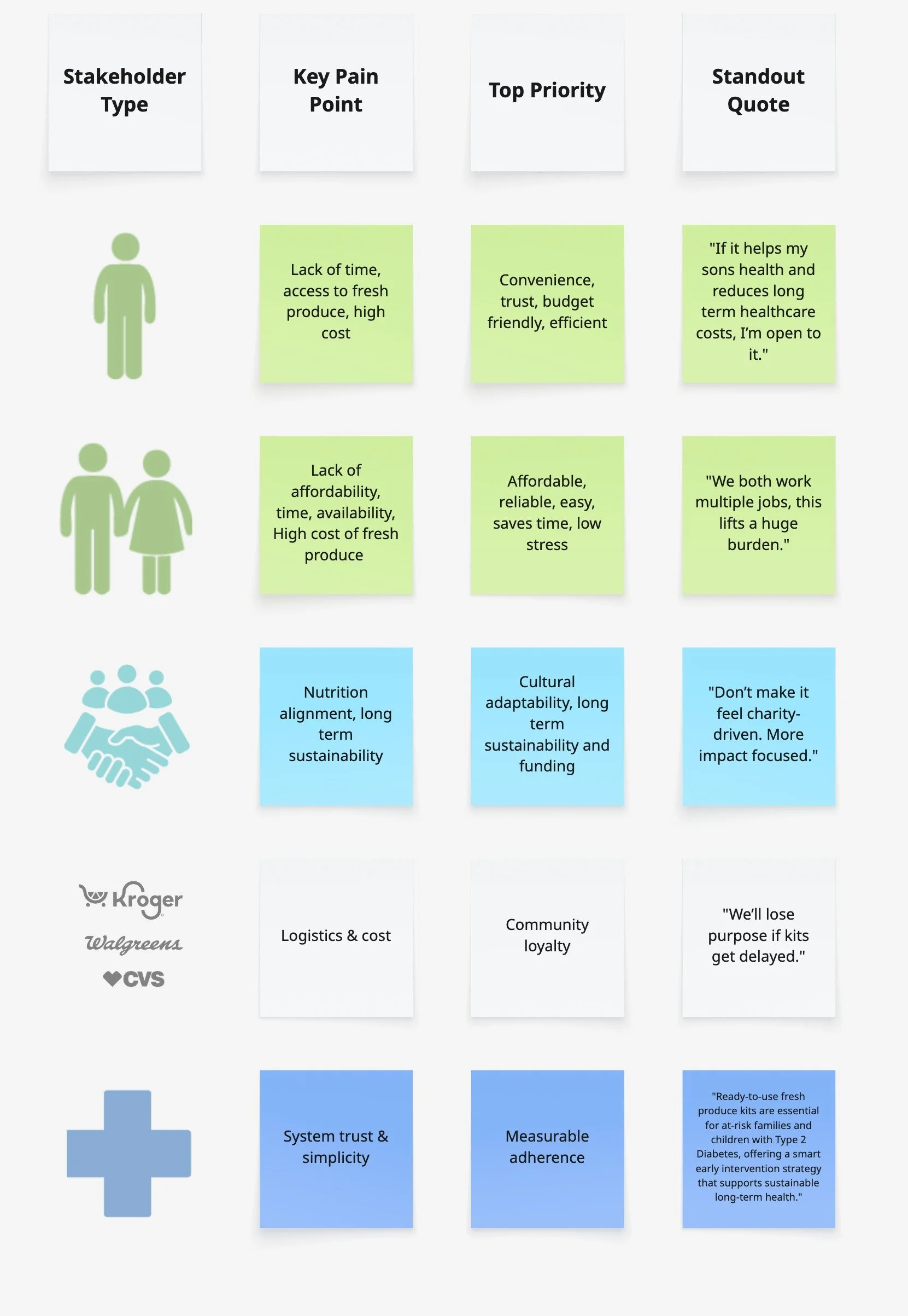
Synthesized stakeholder feedback collected via Miro co-creation sessions. Icons indicate participant type.
Key Players
Families
Insight Consolidation: From Clusters to Key Takeaways
Sample Example
Design Approach
The process followed the Double Diamond framework, balancing research depth with iterative prototyping and validation (in full presentation).

Ethical Design

Ensured equitable access, cultural sensitivity, and responsible use of data by prioritizing underserved families and minimizing barriers to participation.
Value-Based Care
Aligned with Value-Based Care Models
Shifts focus from treatment to prevention, reducing long-term healthcare costs while improving outcomes for children and families.
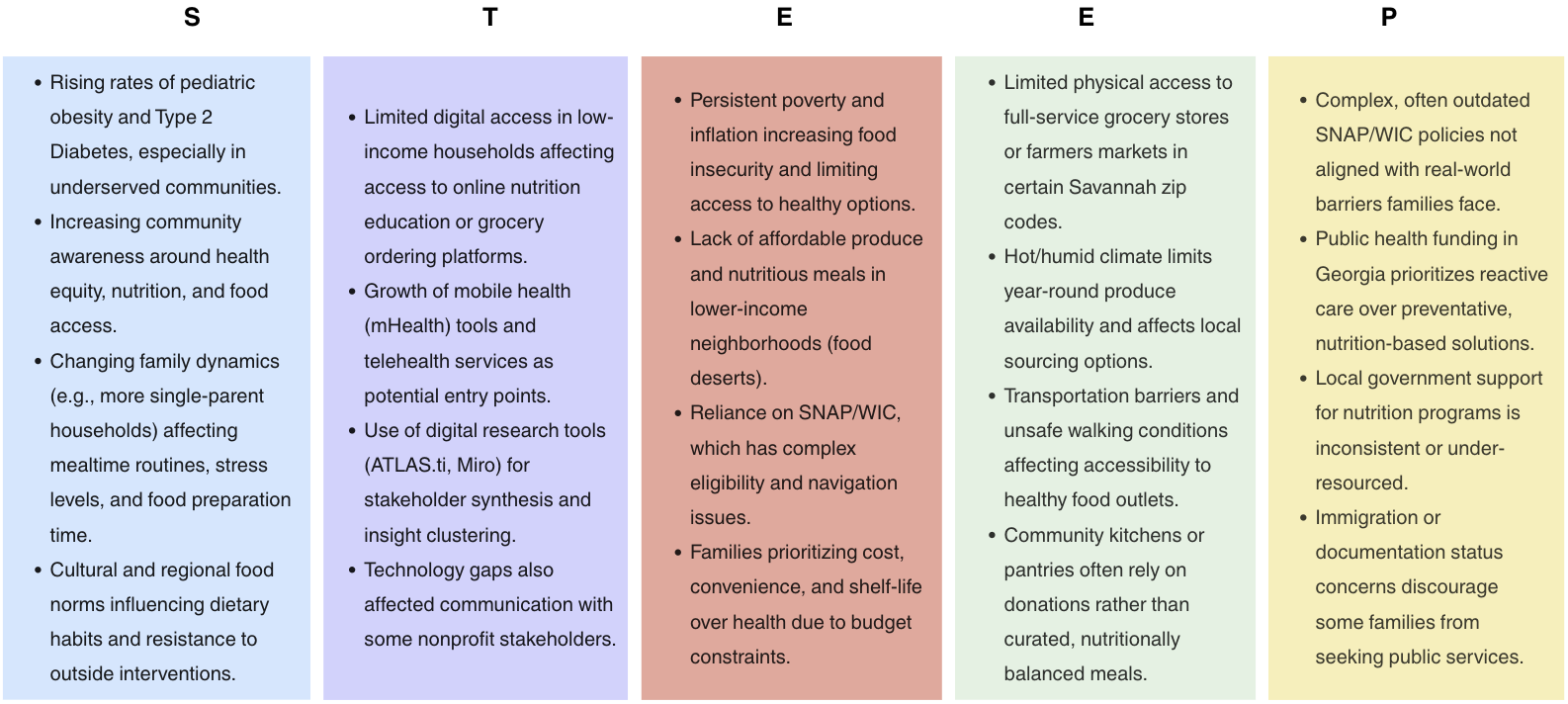
STEEP Factors - Impact on Study 2024-2025
STEEP was focused on Savannah, GA and my thesis study reducing type 2 diabetes in financial undeserved families and children.
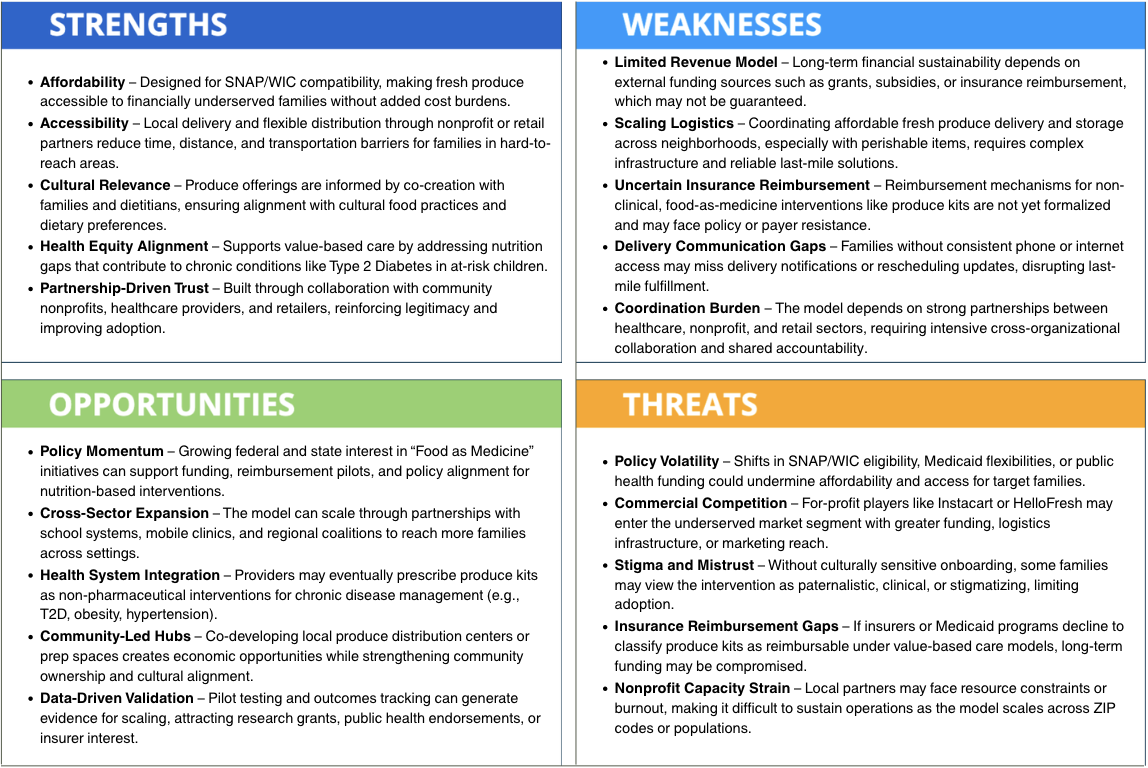
SWOT Analysis for Concept: The Food as Medicine Family Initiative
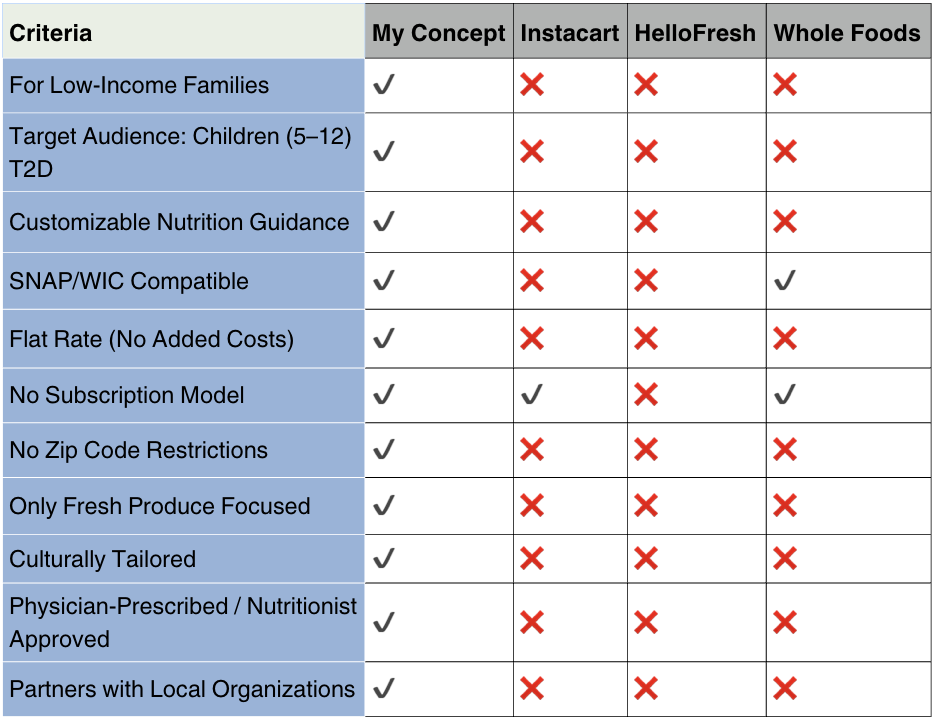
Competitive Benchmarking
Competitive Benchmarking - Takeaways
Bridges a Critical Gap
Built for the Underserved
Locally Rooted & Clinically Informed
More Than Delivery, It’s Directional
From Access to Alignment
Value of Concept

Customizable Nutrition Guidance
SNAP/WIC Compatible & Cost Transparent

Flat Fee

Built on Community Partnerships

Convenient

No Zip Code Limits

Fresh Produce Only
Pilot Session & Key Takeaway
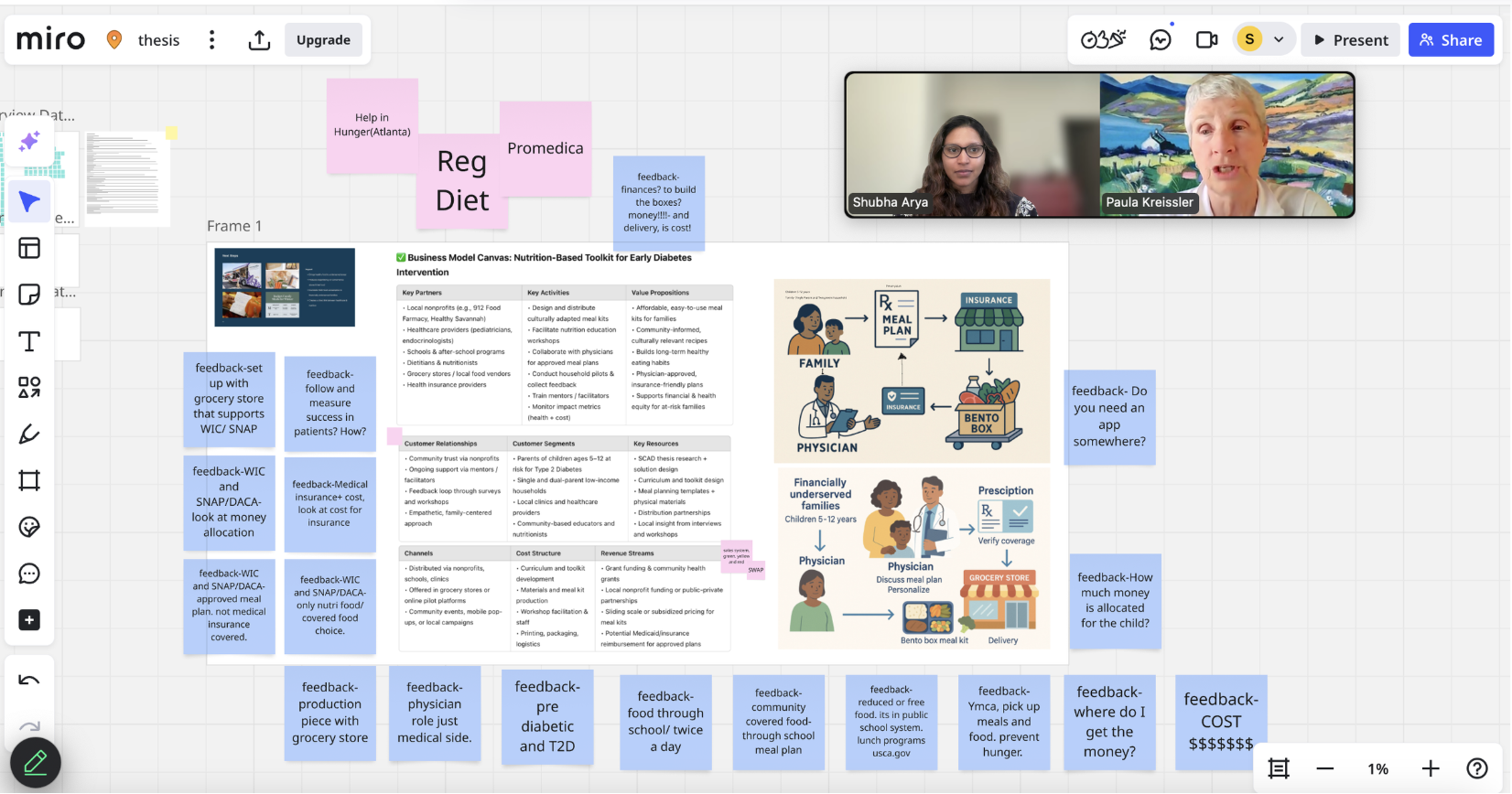
Funding is Limited For Nonprofits
Leverage Existing Infrastructure
Insurance doesn’t Cover Food
Concept Validation
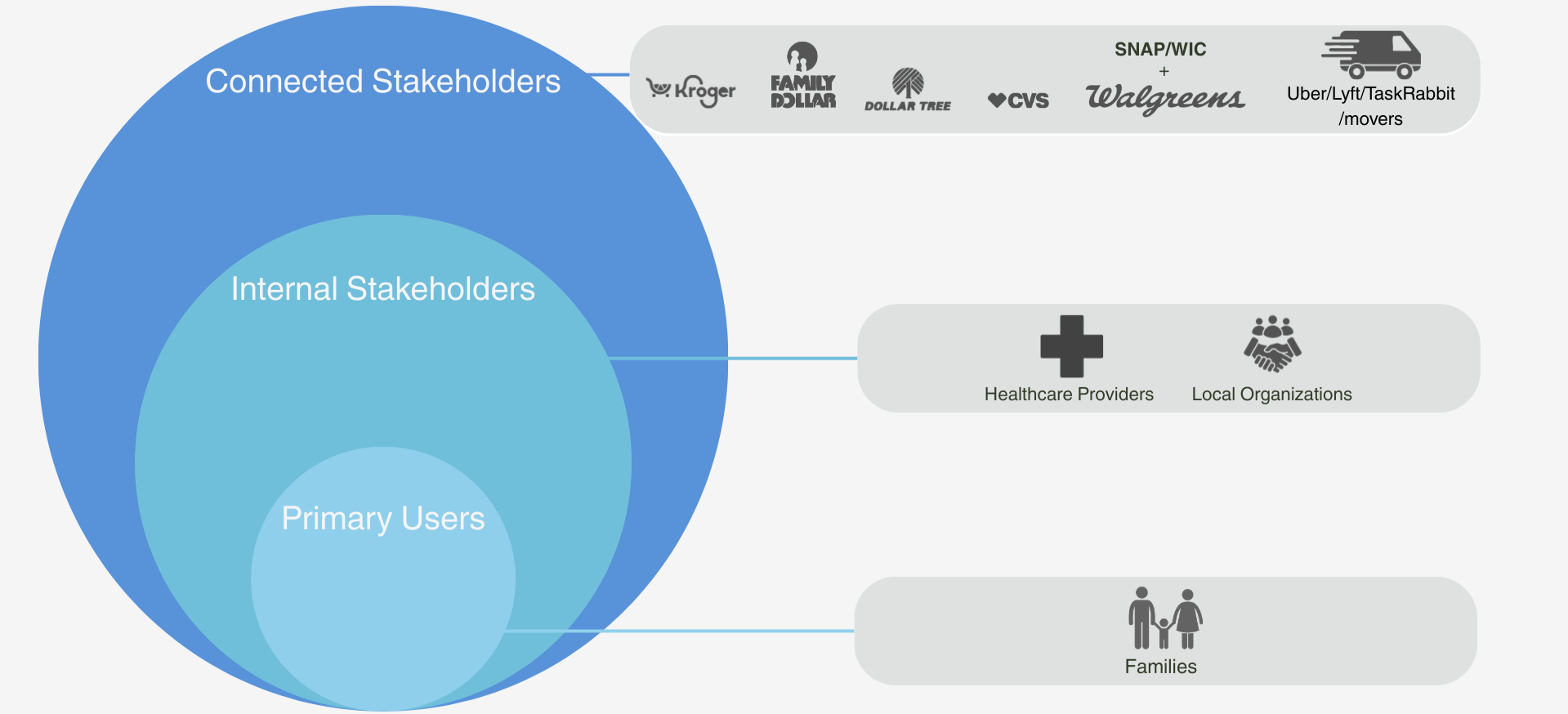
Learnings/Findings
Physician-aligned guidance delivered through trusted community partners increases adoption and credibility.
Non-subscription, SNAP/WIC-compatible models reduce cost, time, and access friction.
Leveraging existing nonprofit and retail infrastructure enables scalable implementation.
Next Steps
912 Food Farmacy (Non profit in Savannah, Ga


(A common grocery store franchise in Savannah, Ga)
=

Long-Term Sustainability
Process Development

Insight synthesis (ATLAS.ti + AI)

Concept iterations + selection logic

Translating insights into design decisions

Prototype + stakeholder validation